



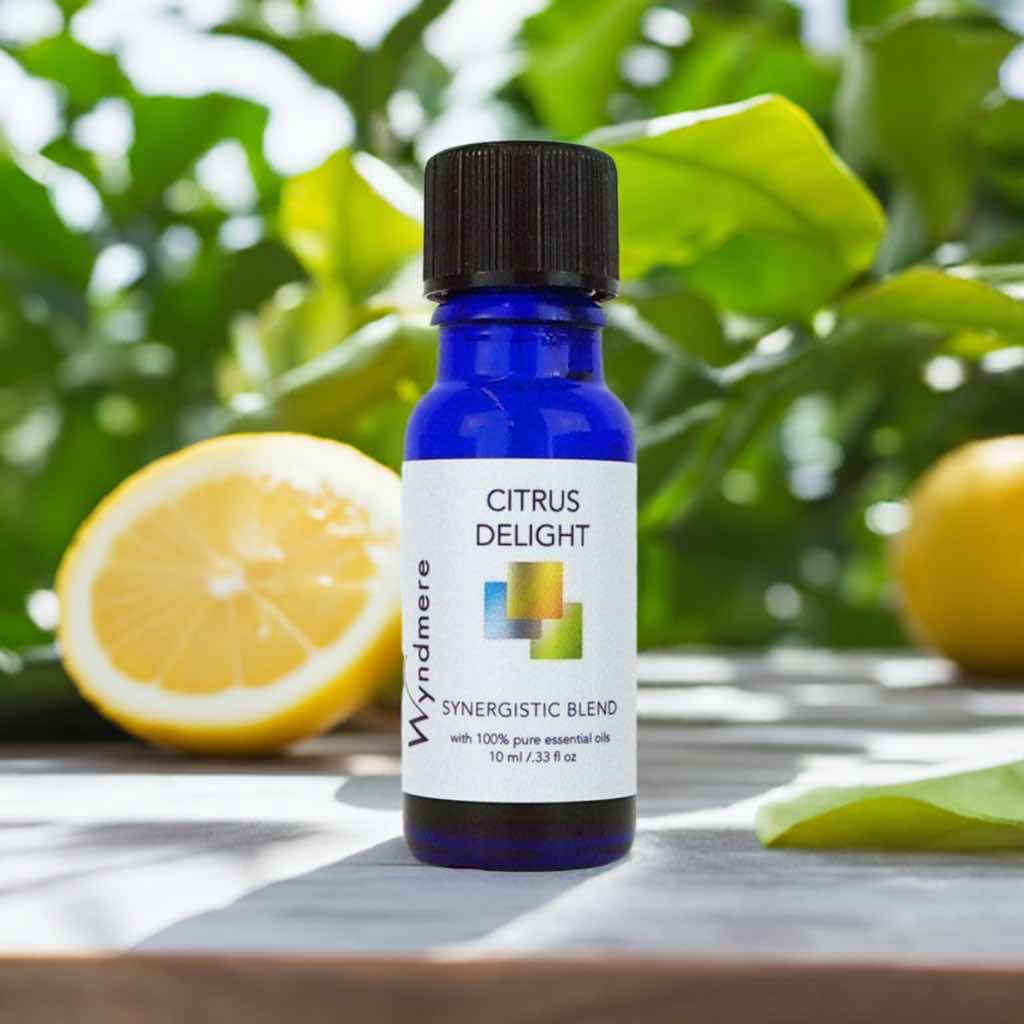





If you use essential oils topically, carrier oils are not optional — they’re essential.
But with so many options available, how do you know which carrier oil is right for your skin type?
In this guide, we’ll explain:
• What carrier oils are
• Why they matter
• The best carrier oils for each skin type
• How to choose the right one for your needs
Let’s simplify it.
What Is a Carrier Oil?
A carrier oil is a plant-based oil used to dilute essential oils before applying them to the skin.
Essential oils are highly concentrated.
Applying them directly (undiluted) can cause irritation or sensitivity.
Carrier oils “carry” the essential oil safely onto the skin while also providing their own nourishing benefits.
Carrier oils are typically:
• Cold-pressed from seeds, nuts, or kernels
• Mild in aroma
• Rich in fatty acids and vitamins
• Safe for topical use
They do not evaporate like essential oils — they absorb into the skin.
Why Carrier Oils Matter
Carrier oils:
• Reduce the risk of skin irritation
• Improve absorption
• Add moisturizing benefits
• Help distribute essential oils evenly
Even beyond dilution, the carrier oil you choose can enhance your skincare routine.
Different oils have different textures, absorption rates, and nutrient profiles — making some better suited for specific skin types.
Best Carrier Oils for Each Skin Type
For Dry Skin: Sweet Almond Oil
Sweet almond oil is rich in vitamin E and fatty acids, making it deeply nourishing and softening.
Why it works:
• Helps support moisture retention
• Softens rough or flaky skin
• Medium-weight texture
Best for:
• Dry or mature skin
• Full-body massage blends
Note: Avoid if you have nut allergies.
For Oily or Acne-Prone Skin: Jojoba Oil
Jojoba oil closely resembles the skin’s natural sebum.
Why it works:
• Lightweight and non-greasy
• Absorbs quickly
• Helps balance oil production
Best for:
• Oily skin
• Combination skin
• Acne-prone skin
Jojoba is one of the most versatile carrier oils and a favorite for facial blends.
For Sensitive Skin: Fractionated Coconut Oil
Fractionated coconut oil is lightweight, clear, and odorless.
Why it works:
• Extremely stable
• Long shelf life
• Non-greasy texture
Best for:
• Sensitive skin
• Children’s blends
• Everyday use
It glides easily and absorbs well without clogging pores.
For Mature Skin: Rosehip Seed Oil
Rosehip seed oil is rich in vitamins A and C and essential fatty acids.
Why it works:
• Supports skin elasticity
• Lightweight yet nourishing
• Absorbs quickly
Best for:
• Mature skin
• Dull or uneven skin tone
• Facial serums
Rosehip oil is often used in anti-aging skincare routines.
For Inflamed or Reactive Skin: Calendula-Infused Oil
Calendula-infused oil is known for its soothing properties.
Why it works:
• Supports calm-looking skin
• Gentle and nurturing
• Ideal for delicate areas
Best for:
• Sensitive or irritated skin
• Post-sun care
• Gentle facial blends
For Massage & Body Care: Grapeseed Oil
Grapeseed oil is light and smooth with excellent glide.
Why it works:
• Absorbs moderately fast
• Lightweight texture
• Budget-friendly for larger applications
Best for:
• Massage therapy
• Large body blends
• Normal to oily skin
Quick Comparison Guide
Dry Skin: Sweet Almond or Rosehip
Oily Skin: Jojoba or Grapeseed
Sensitive Skin: Fractionated Coconut or Calendula
Mature Skin: Rosehip or Sweet Almond
All Skin Types: Jojoba
How to Dilute Essential Oils with Carrier Oils
For general adult topical use:
1–2% dilution is standard.
That means:
1% dilution = 6 drops essential oil per 1 ounce (2 tablespoons) carrier oil
2% dilution = 12 drops essential oil per 1 ounce carrier oil
For facial use, stay closer to 1%.
For children, elderly individuals, or sensitive skin, use lower dilutions.
How to Choose the Right Carrier Oil
Ask yourself:
• Is my skin dry, oily, sensitive, or mature?
• Am I making a facial serum or body oil?
• Do I prefer a fast-absorbing or longer-lasting oil?
• Do I have any nut sensitivities?
There’s no single “best” carrier oil — only the one that fits your skin and purpose.
Many people keep two on hand:
One for facial blends and one for body use.
Storage Tips
Carrier oils can oxidize over time.
To extend shelf life:
• Store in a cool, dark place
• Keep bottles tightly sealed
• Avoid heat and sunlight
Some oils, like rosehip, may benefit from refrigeration.
Always check for changes in smell or texture before use.
Final Thoughts
Carrier oils are more than just diluents — they are an essential part of safe, effective aromatherapy.
Choosing the right one can:
• Improve skin comfort
• Enhance absorption
• Elevate your skincare routine
• Reduce irritation risk
When paired with high-quality essential oils, the right carrier oil helps you get the most out of every blend.






Leave a comment (all fields required)