



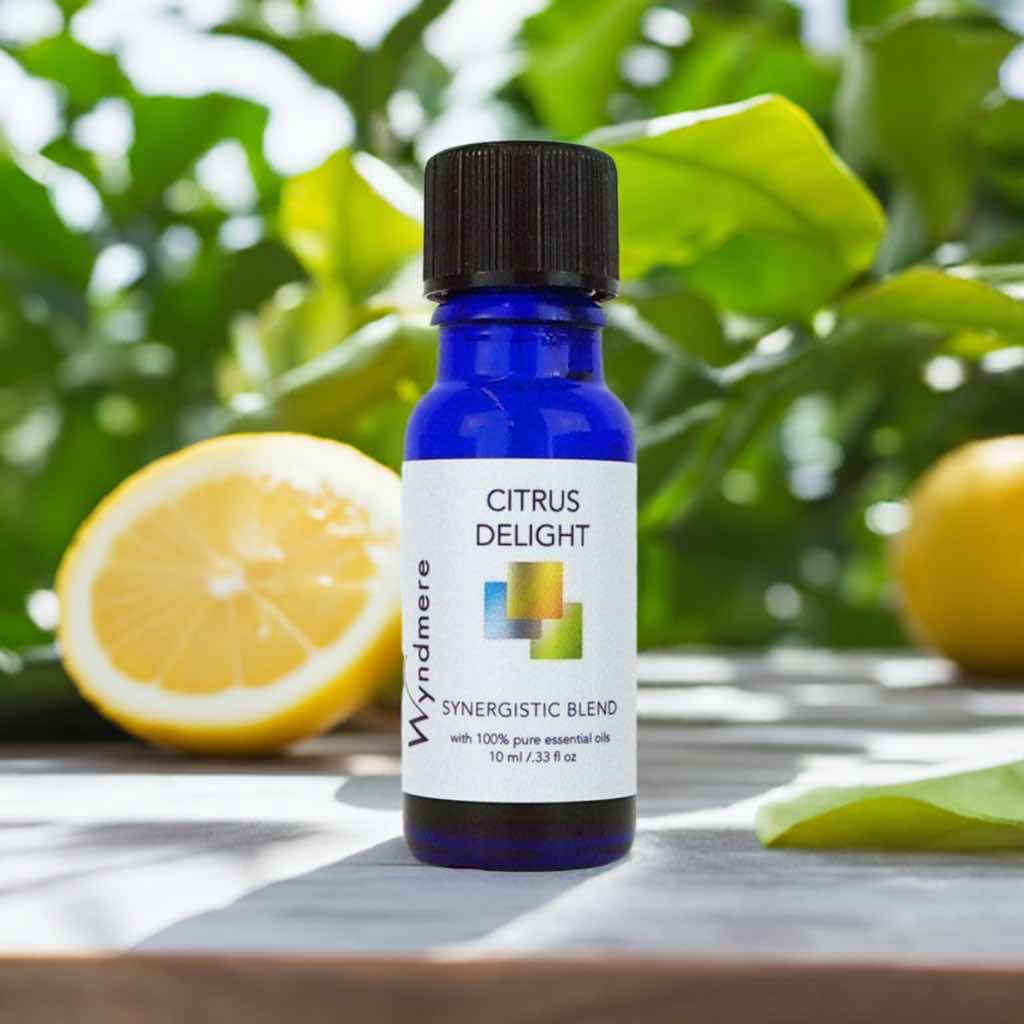





Here’s something most people don’t think about when they open a bottle of essential oil:
When was this actually harvested?
Not bottled. Not shipped.
Harvested.
Because with essential oils, timing isn’t just a detail—it quietly shapes everything from how the oil smells to how it feels in your space.
And once you understand this, a lot of those little differences people notice from bottle to bottle start to make a lot more sense.
The Part No One Really Talks About
We tend to think of plants as steady and predictable.
Lavender is lavender. Lemon is lemon.
But plants move through seasons just like everything else.
They grow, rest, bloom, and eventually fade back.
And depending on when they’re harvested during that cycle, the essential oil they produce can be noticeably different.
Not dramatically different—but enough that your nose might pick up on it.
Plants Change Throughout Their Life Cycle
If you’ve ever grown herbs at home, you’ve probably seen this firsthand.
Early in the season, the leaves might be tender and mild. Later on, they can become stronger, sometimes even a little bitter.
Essential oil plants go through similar changes.
As they mature, the balance of natural compounds inside the plant shifts. And since essential oils are extracted directly from those compounds, the timing of harvest matters more than most people realize.
Early vs. Late Harvest: What’s the Difference?
Let’s keep this simple.
An early harvest—when the plant is just beginning to mature—often produces a lighter, fresher scent.
A later harvest—when the plant is fully developed or even nearing the end of its cycle—can bring out deeper, richer notes.
Neither one is “better.”
They’re just different expressions of the same plant at different moments in time.
And depending on what you personally enjoy, you might naturally gravitate toward one over the other.
Flowering Stage Makes a Big Impact
For plants that produce flowers—like lavender, chamomile, or ylang-ylang—the timing of the bloom is especially important.
Some are harvested:
- Just before full bloom
- Right at peak bloom
- Or slightly after
Each stage can influence the scent.
For example:
- Early bloom may feel softer and greener
- Peak bloom often brings a fuller, more balanced aroma
- Late bloom can sometimes lean heavier or slightly more intense
Again, it’s not about right or wrong—it’s about nuance.
Time of Day Matters Too
This one surprises people.
It’s not just which season a plant is harvested—it’s also what time of day.
Many plants are harvested early in the morning, after the dew has evaporated but before the sun becomes too strong.
Why?
Because that’s when their aromatic compounds are often at their most balanced.
Later in the day, heat can cause some of those compounds to shift or evaporate slightly, which may affect the final oil.
It’s a small detail, but one that experienced growers pay close attention to.
Weather Conditions During Harvest
Even within the same season, weather plays a role.
A dry, sunny stretch of days leading up to harvest can result in a slightly more concentrated scent.
A wetter period might create a softer or more subtle profile.
So when you think about harvesting, it’s not just a single moment—it’s influenced by everything that led up to it.
Why This Explains Differences Between Bottles
If you’ve ever had two bottles of the same oil that didn’t smell exactly the same, harvest timing is often part of the story.
Even if:
- The plant type is the same
- The region is the same
- The distillation method is the same
A shift in harvest timing—even by a couple of weeks—can subtly change the scent.
That’s just the nature of working with something real and seasonal.
Most People Expect Consistency—But Nature Has Rhythm
We’re used to things being standardized.
Same scent, every time.
But essential oils don’t follow that model.
They follow seasons.
They follow cycles.
And that means there will always be a little variation.
Instead of seeing that as a flaw, it can be helpful to see it as part of what makes essential oils feel more connected to nature in the first place.
How to Work With This in Everyday Life
You don’t need to memorize harvest windows or track growing regions.
Instead, keep it simple:
Pay attention to how an oil smells to you right now
Notice how it feels in your space
Let your preferences guide you rather than expectations
If one lavender feels softer and another feels a bit sharper, that’s okay.
You might even find you like one version in the evening and another during the day.
A Simple Way to Explore It Yourself
If you’re curious, try this:
Use the same oil over time and notice if it feels slightly different from bottle to bottle.
Or, if you have access to oils from different sources, compare them side by side.
You don’t need to analyze it deeply.
Just notice.
That awareness alone can change how you experience essential oils.
Bringing It Back to Your Routine
At the end of the day, essential oils are part of your environment.
They’re there to support a mood, a moment, or a routine—not to be perfect or identical every time.
Harvest timing is just one of the many quiet factors that shape that experience.
A Gentle Final Thought
It’s easy to assume that consistency equals quality.
But with essential oils, a little variation is simply part of working with something natural.
Each harvest captures a specific moment in time.
A specific stage.
A specific set of conditions.
And when you start to see it that way, those small differences don’t feel confusing anymore.
They feel… intentional.
Like a snapshot of the plant, exactly as it was.eee






Leave a comment (all fields required)