



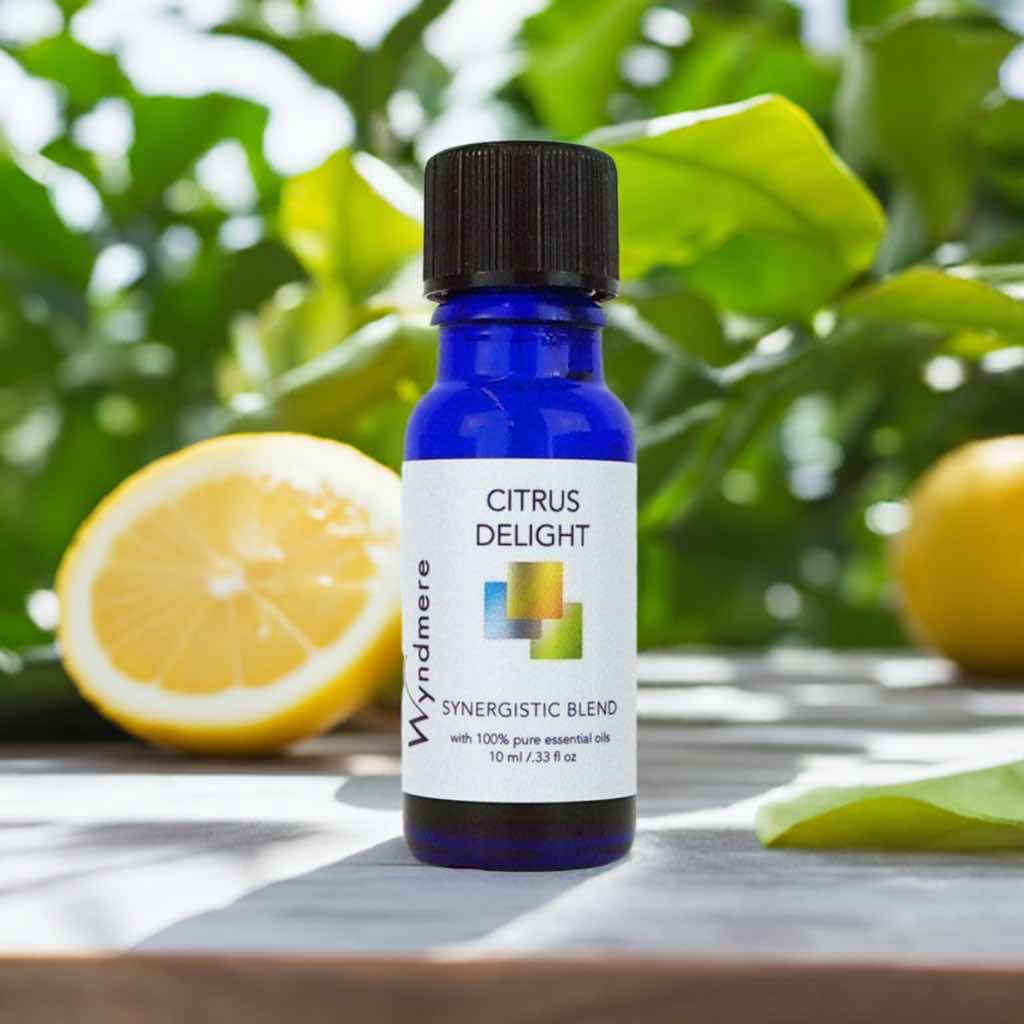





When cold and flu season hits — or when stress, travel, and seasonal transitions challenge your system — many people turn to essential oils for immune support.
But what actually works?
And what’s simply marketing hype?
In this guide, we’ll explore:
• How essential oils support overall wellness
• Which oils have research behind them
• How to use them safely and effectively
• What they can — and cannot — realistically do
Let’s separate fact from fiction.
Can Essential Oils Really Support the Immune System?
Essential oils do not “boost” the immune system in a dramatic or instant way.
Instead, certain oils may:
• Support the body’s natural defenses
• Help maintain a clean environment
• Promote respiratory clarity
• Encourage relaxation (which indirectly supports immune health)
Your immune system is complex. It relies on sleep, nutrition, hydration, stress levels, and overall lifestyle habits. Essential oils work best as supportive tools within a healthy routine — not as replacements for medical care.
7 Essential Oils for Immune Support
1. Lavender (Lavandula angustifolia)
Lavender is widely known for its calming properties. Chronic stress can negatively impact immune function, and supporting relaxation and sleep helps the body perform at its best.
Best Use: Diffuse before bedtime or apply diluted to pulse points to promote restful sleep.
2. Eucalyptus (Eucalyptus globulus)
Eucalyptus contains 1,8-cineole, a compound studied for respiratory support. It’s commonly used during seasonal challenges to help maintain clear airways.
Best Use: Diffuse in shared spaces or use properly diluted in steam inhalation.
3. Tea Tree (Melaleuca alternifolia)
Tea tree oil has been studied for its natural antimicrobial properties. It is especially popular for environmental cleansing and surface sprays.
Best Use: Add to DIY cleaning blends or dilute properly for topical use.
4. Lemon (Citrus limon)
Cold-pressed lemon oil is refreshing and uplifting. Citrus oils are often used to freshen indoor spaces and support overall wellness routines.
Best Use: Diffuse to refresh air or add to natural household cleaning solutions.
Note: Citrus oils can increase photosensitivity when applied topically.
5. Frankincense (Boswellia carterii)
Frankincense has been traditionally used for centuries to support wellness and balance. It is often included in immune-support blends for its grounding properties.
Best Use: Diffuse or dilute in a carrier oil for a chest or neck massage.
6. Ravintsara (Cinnamomum camphora CT cineole)
Ravintsara is high in 1,8-cineole and is commonly used in aromatherapy for respiratory and seasonal support. Many find it gentler than eucalyptus.
Best Use: Diffuse during seasonal transitions.
7. Rosemary (Rosmarinus officinalis)
Rosemary contains naturally occurring antioxidant compounds and is often used to support respiratory wellness and mental clarity.
Best Use: Diffuse during the day to promote a fresh, invigorating environment.
How to Use Essential Oils for Immune Support
Diffusion
Add 5–8 drops to your diffuser to help maintain fresh indoor air and promote respiratory comfort. Diffuse for 30–60 minutes at a time.
Topical Application (Always Dilute)
Blend 2–3 drops of essential oil with 1 teaspoon of carrier oil before applying to the chest, back of the neck, or soles of the feet.
Steam Inhalation
Add 1–2 drops to a bowl of hot water. Inhale gently for short intervals, keeping eyes closed.
What Essential Oils Cannot Do
It’s important to set realistic expectations.
Essential oils:
• Do not cure illnesses
• Do not replace prescribed medications
• Do not substitute professional medical care
They are supportive tools within a holistic wellness approach.
Simple Immune Support Diffuser Blend
Try this balanced seasonal blend:
2 drops Eucalyptus
2 drops Lemon
2 drops Lavender
Diffuse for up to 60 minutes in well-ventilated spaces.
Supporting Your Immune System Holistically
Essential oils work best alongside:
• Adequate sleep
• Proper hydration
• Balanced nutrition
• Regular movement
• Stress management
Aromatherapy complements these foundational wellness practices.
Final Thoughts
Essential oils can support immune wellness — not by forcing the body to work harder, but by:
• Promoting relaxation
• Supporting respiratory comfort
• Helping maintain a clean environment
• Encouraging balance during seasonal changes
When used safely and intentionally, essential oils become valuable allies in everyday wellness routines.






Leave a comment (all fields required)