



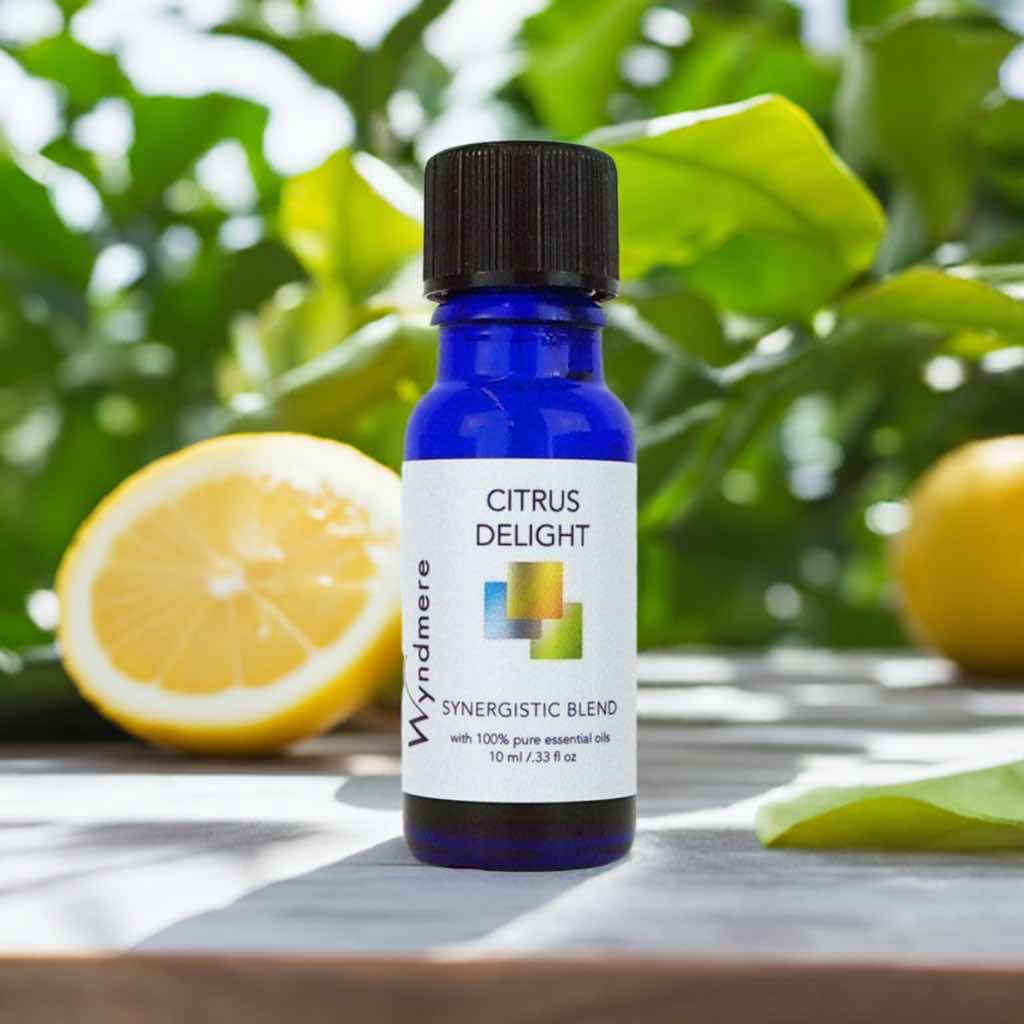





Some essential oil blends instantly feel beautiful.
The aroma feels balanced.
The room feels intentional.
Nothing smells too sharp, too heavy, or overpowering.
Instead, the scent unfolds naturally:
- bright at first
- soft in the middle
- grounding underneath
This layered experience is what separates random oil combinations from blends that feel refined, calming, luxurious, and emotionally complete.
Professional aromatherapy blending is not simply about combining scents that “smell good.”
It’s about understanding how different aromas interact to create atmosphere, emotional tone, and sensory balance.
While essential oils are not intended to diagnose, treat, or cure medical conditions, many people enjoy blending oils to create personalized environments that feel:
- calming
- grounding
- refreshing
- cozy
- uplifting
- spa-like
The good news is that learning to blend essential oils beautifully is much simpler than most people think.
Once you understand a few foundational principles, creating balanced blends becomes intuitive — and incredibly enjoyable.
Think of Essential Oil Blending Like Music
Professional blends are usually layered.
Instead of every oil competing equally for attention, each aroma plays a different role within the blend.
The easiest way to think about blending is like building music:
- some notes are bright and noticeable
- some create emotional warmth
- some provide depth and stability underneath everything else
In aromatherapy, these layers are often described as:
- top notes
- middle notes
- base notes
Understanding these categories is one of the biggest keys to blending oils like a professional.
Top Notes: The First Impression
Top notes are the aromas you notice immediately.
These scents usually feel:
- bright
- fresh
- energetic
- uplifting
They often evaporate faster than other oils and create the opening emotional feeling of a blend.
Common Top Notes
- Lemon
- Grapefruit
- Bergamot
- Sweet Orange
- Peppermint
- Eucalyptus
Top notes bring freshness and movement to blends.
Without them, blends can sometimes feel too heavy or flat.
Middle Notes: The Emotional Core
Middle notes create the heart of the blend.
These aromas usually feel:
- soft
- balanced
- warm
- emotionally expressive
Middle notes help connect brighter top notes with deeper base notes.
Common Middle Notes
- Lavender
- Roman Chamomile
- Geranium
- Clary Sage
- Rosemary
These oils often shape the emotional personality of the blend.
For example:
- lavender may feel calming
- geranium may feel floral and elegant
- rosemary may feel herbal and invigorating
Base Notes: Depth and Grounding
Base notes are the foundation of the blend.
These aromas tend to feel:
- grounding
- warm
- rich
- steady
- calming
Base notes often linger the longest and help the entire blend feel smoother and more complete.
Common Base Notes
- Cedarwood
- Sandalwood
- Frankincense
- Patchouli
- Vetiver
Without a grounding base note, some blends may feel too sharp or overly bright.
Base notes create emotional depth.
Why Balanced Blends Feel More Luxurious
Professional blends usually feel balanced because no single oil dominates too aggressively.
Instead:
- top notes create freshness
- middle notes create emotional softness
- base notes create warmth and grounding
This layering creates a more complete sensory experience.
For example:
Balanced Nighttime Blend
- Lavender
- Chamomile
- Cedarwood
The lavender creates softness.
Chamomile adds emotional warmth.
Cedarwood grounds the blend underneath.
Together, the blend feels calm and emotionally complete.
Start Simple
One of the biggest mistakes beginners make is using too many oils at once.
Professional blends are often surprisingly simple.
Starting with:
- 2–4 oils
usually creates cleaner and more balanced aromas than trying to combine too many scents.
Simple blends often feel:
- more elegant
- less overwhelming
- emotionally clearer
Sometimes the best blends are the simplest ones.
Build Around a Mood or Atmosphere
Professional blending isn’t only about scent.
It’s about emotional atmosphere.
Before blending, ask:
“How do I want this room to feel?”
Different emotional goals create different blending directions.
For a Calm Nighttime Atmosphere
Use oils that feel:
- soft
- grounding
- peaceful
Examples:
- Lavender
- Chamomile
- Cedarwood
- Sandalwood
For an Energizing Morning Blend
Use oils that feel:
- fresh
- bright
- motivating
Examples:
- Lemon
- Grapefruit
- Peppermint
- Eucalyptus
For a Spa-Like Environment
Use oils that feel:
- clean
- grounding
- restorative
Examples:
- Eucalyptus
- Sandalwood
- Frankincense
- Sweet Orange
The emotional feeling of the room should guide the blend.
Use Strong Oils Carefully
Some essential oils naturally dominate blends very quickly.
Even small amounts can dramatically shift the aroma.
Stronger Oils Include:
- Peppermint
- Eucalyptus
- Tea Tree
- Cinnamon
- Clove
- Patchouli
These oils usually work best as accents rather than the primary scent.
Often:
1–2 drops is enough.
Meanwhile, softer oils like lavender or sweet orange can usually handle larger amounts within a blend.
The “Less Is More” Rule
One of the secrets professionals understand:
subtle blends usually feel more luxurious.
Overly strong aromas may make rooms feel:
- overwhelming
- emotionally “busy”
- mentally fatiguing
Balanced aromatherapy gently shapes atmosphere instead of overpowering it.
A softly scented room often feels:
- calmer
- cleaner
- more refined
- emotionally balanced
Beginner Blend Formula
A simple professional-style blending structure:
50% Middle Notes
The emotional heart.
30% Top Notes
Freshness and brightness.
20% Base Notes
Grounding depth.
For example:
Spa Blend
- 4 drops Lavender
- 2 drops Eucalyptus
- 2 drops Cedarwood
Balanced, calming, and fresh.
Blend Ideas by Atmosphere
🌙 Calm Evening Blend
- Lavender
- Chamomile
- Cedarwood
Soft and grounding.
☀️ Morning Energy Blend
- Lemon
- Grapefruit
- Peppermint
Bright and refreshing.
🌿 Spa-Inspired Blend
- Eucalyptus
- Sandalwood
- Sweet Orange
Fresh yet warm.
🌲 Grounding Blend
- Cedarwood
- Frankincense
- Bergamot
Deep and emotionally steady.
☁️ Cozy Blend
- Sweet Orange
- Cedarwood
- Vanilla-inspired notes
Warm and comforting.
Why Professional Blends Feel Emotionally Powerful
The best essential oil blends do more than smell pleasant.
They shape emotional atmosphere.
A beautifully blended aroma can make a room feel:
- calmer
- softer
- brighter
- more peaceful
- more intentional
This emotional effect is what makes aromatherapy feel meaningful.
The atmosphere changes first.
Then the emotional experience follows.
Experiment Slowly
Blending essential oils is part creativity and part sensory awareness.
The more you experiment, the more intuitive it becomes.
A helpful approach:
- start simple
- smell oils individually first
- test combinations gradually
- notice emotional atmosphere, not just fragrance
Over time, you’ll naturally begin recognizing:
- which oils brighten blends
- which oils soften blends
- which oils ground blends
- which combinations feel balanced
This is exactly how professionals learn.
Create Signature Blends
One of the most rewarding parts of aromatherapy blending is creating scents that feel uniquely personal.
Over time, many people develop:
- signature nighttime blends
- favorite morning rituals
- calming diffuser combinations
- spa-inspired home scents
These blends eventually become emotionally familiar.
The scent itself begins feeling comforting because it becomes associated with specific rituals and moments.
That emotional connection is part of what makes aromatherapy so powerful.
Final Thoughts
Blending essential oils like a professional starts with understanding balance.
Top notes create brightness.
Middle notes create emotional softness.
Base notes create grounding depth.
Together, these layers shape the emotional atmosphere of a room.
The best blends are often simple, intentional, and emotionally balanced rather than overpowering.
Because at its core, professional aromatherapy is not just about creating fragrance.
It’s about creating environments that feel calming, restorative, uplifting, cozy, grounding, or emotionally meaningful — one beautifully layered scent at a time.






Leave a comment (all fields required)