



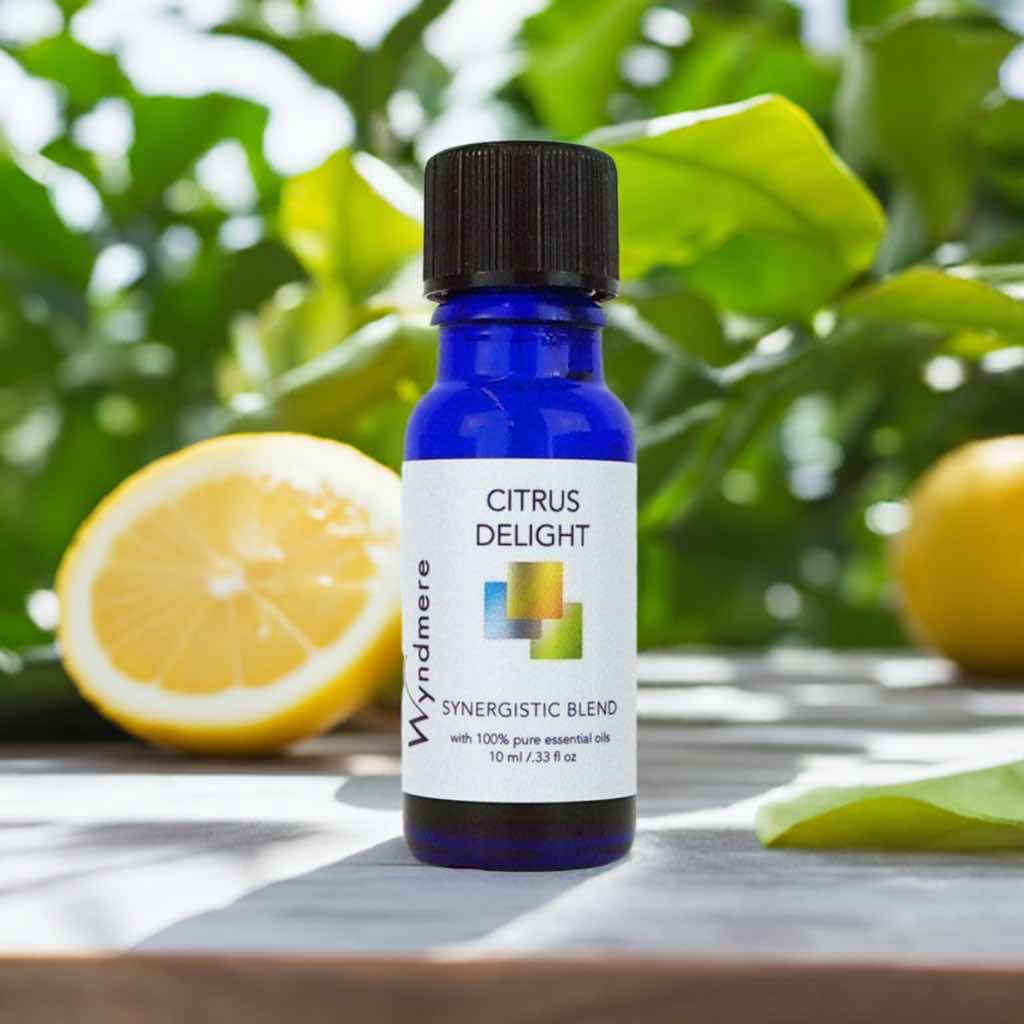



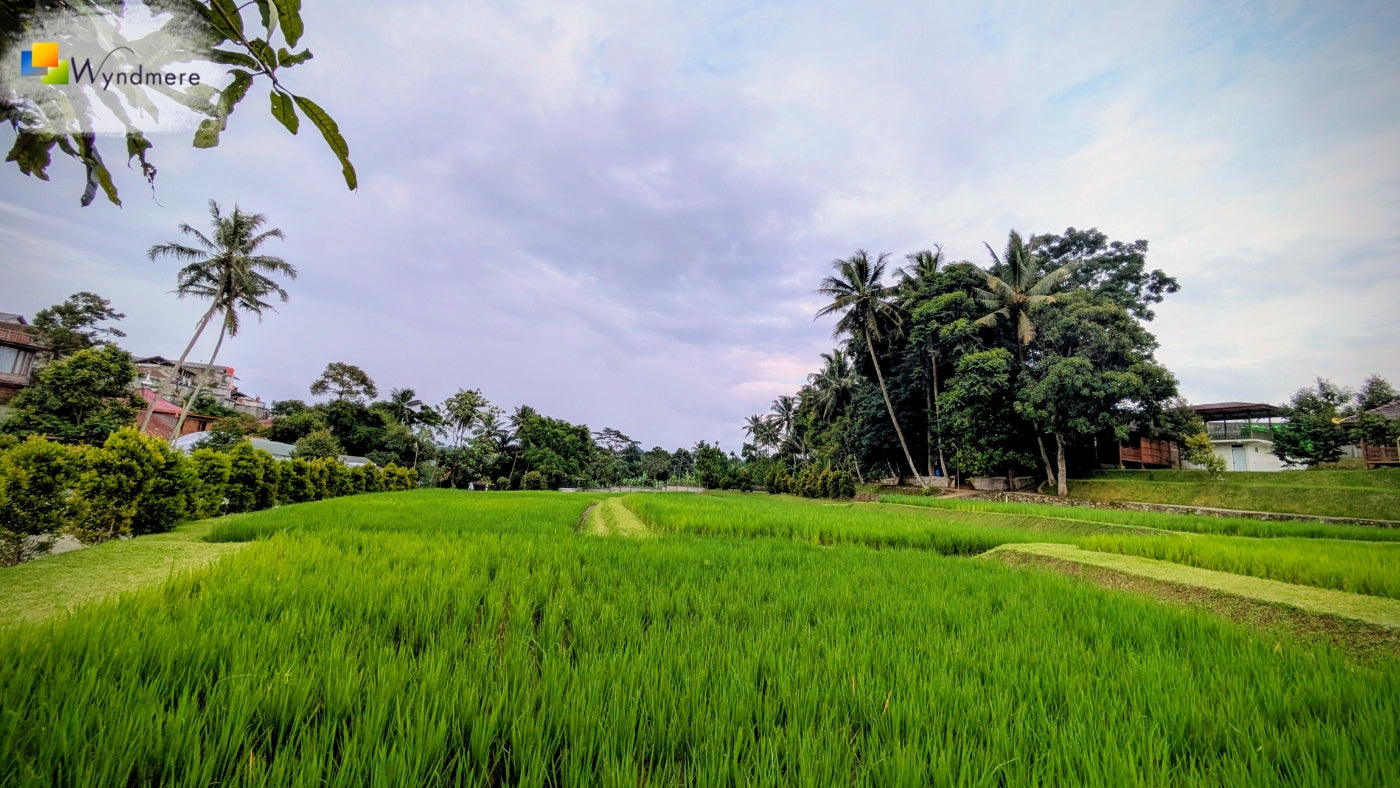

Here’s something easy to forget when you pick up a bottle of essential oil:
That small bottle didn’t start in a lab or a factory.
It started in the ground.
As a plant. In a specific place. Under very real conditions.
And by the time it reaches your home, it’s been through a surprisingly thoughtful process—one that’s shaped by timing, care, and a lot of small decisions along the way.
Understanding that journey doesn’t mean you have to become an expert.
But it can change how you see what you’re using—and maybe even help you appreciate it a little more.
It All Begins at the Farm
Every essential oil starts the same way: with a plant being grown somewhere in the world.
That “somewhere” matters more than most people realize.
Plants are typically grown in regions where they naturally thrive. Lavender might be grown in cooler, elevated areas. Citrus trees prefer warmer climates. Eucalyptus tends to do well in open, sunny environments.
Farmers pay close attention to:
- Soil quality
- Climate conditions
- Seasonal patterns
Because all of those things influence how the plant develops—and eventually, how the oil smells.
It’s not just about growing a plant.
It’s about growing it well.
Growing Takes Time (Sometimes More Than You’d Expect)
Not every plant is ready to harvest quickly.
Some grow fast. Others take years to mature.
In some cases, the plant needs to reach a certain stage before it produces the best possible oil. Harvesting too early or too late can shift the scent and overall character.
So a lot of patience goes into this part.
And most of it happens quietly, long before the oil ever exists.
Harvesting at the Right Moment
Once the plant is ready, timing becomes everything.
Harvesting isn’t random—it’s often done at very specific points in the plant’s life cycle.
Sometimes it’s during peak bloom. Other times just before.
Even the time of day can matter. Many plants are harvested in the morning, when their aromatic compounds are more balanced.
If you think about it, this makes sense.
The goal isn’t just to collect the plant—it’s to capture it at the moment it offers the best possible expression of itself.
From Plant to Extraction
After harvesting, the plant material is usually processed fairly quickly.
This helps preserve the natural compounds that give essential oils their scent.
Most essential oils are extracted through steam distillation.
Here’s the simple version:
Steam moves through the plant material, releasing its aromatic components. Those components are then cooled and separated into essential oil.
It sounds straightforward—and in many ways it is—but there are still choices involved.
Things like:
- How long the distillation runs
- The temperature used
- The part of the plant being distilled
All of these can subtly influence the final oil.
A Quick Pause: Why This Step Matters
This is where a lot of the oil’s character is shaped.
Two producers can start with the same plant and still end up with slightly different oils, simply because of how they approach this step.
So when you notice differences between oils, this part of the journey is often a big reason why.
Filtering and Resting
After distillation, the oil is typically filtered and sometimes allowed to rest.
This resting period can help the oil settle and develop a more balanced scent.
It’s not always talked about, but it’s part of the process that helps the oil feel more complete rather than sharp or uneven.
Bottling and Storage
Once the oil is ready, it’s transferred into bottles—usually dark glass to help protect it from light.
Proper storage is important at this stage.
Exposure to heat, air, or light over time can gently shift the oil’s scent.
That’s why you’ll often see recommendations to store oils in a cool, dry place.
It’s a simple step, but it helps maintain the integrity of the oil as long as possible.
The Journey Doesn’t End When You Buy It
Once the oil reaches your home, the environment still plays a role.
How you store it, how often it’s opened, even the temperature in your space—all of that can influence how the oil evolves over time.
It won’t change drastically, but subtle shifts are normal.
In a way, the oil is still “living” its journey, just in a quieter form.
What Most People Don’t Realize
When you step back and look at the full process, a few things become clear:
Every bottle represents a series of choices
A series of conditions
And a specific moment in time
From the soil it was grown in… to the weather that season… to the timing of the harvest… to the way it was distilled…
It all adds up.
Why This Matters (Without Overcomplicating It)
You don’t need to think about this every time you use an essential oil.
But understanding the journey can shift your perspective.
It helps explain why:
- Oils don’t always smell identical
- Some feel more vibrant than others
- Certain oils seem more subtle or more complex
And instead of seeing those differences as problems, you can start to see them as part of the process.
Bringing It Back to Everyday Life
At the end of the day, essential oils are meant to support your environment.
To add something to your space—whether that’s a sense of calm, freshness, or simply a moment of pause.
The journey from farm to bottle is what makes that possible.
Not perfectly. Not identically.
But naturally.
A Gentle Final Thought
It’s easy to look at a small bottle and think of it as just another product.
But there’s a story behind it.
A process that started with a plant growing somewhere in the world.
And when you begin to see it that way, even something simple—like adding a few drops to a diffuser—can feel a little more intentional.
Not because it has to be.
But because now, you understand what went into it.






Leave a comment (all fields required)