







Here’s something most people don’t think about until it happens:
An essential oil that once smelled fresh and balanced suddenly feels… off.
Maybe it’s sharper than you remember.
Maybe the scent feels dull or flat.
Or maybe you open the bottle and think, “This doesn’t smell like it used to.”
It’s easy to assume the oil has “gone bad.”
But more often than not, it’s simply been affected by how it was stored.
And the good news? This is one of the easiest things to prevent once you understand what’s going on.
Essential Oils Don’t Stay Exactly the Same Forever
Even though essential oils are fairly stable, they’re not completely unchanged over time.
They’re made up of natural compounds that can shift—slowly and subtly—depending on their environment.
When stored properly, those changes happen gradually.
When stored poorly, they can happen much faster.
The Three Main Things That Affect Essential Oils
You don’t need a complicated system to understand this.
There are really just three things to pay attention to:
- Heat
- Light
- Air
That’s it.
When essential oils are exposed to these too often or too intensely, their composition can begin to change.
What Heat Can Do
Heat tends to speed things up.
If oils are stored in a warm place—like near a window, in a car, or close to a heat source—their natural compounds can start to break down more quickly.
What you might notice:
- The scent feels weaker or less vibrant
- Certain notes seem to disappear
- The oil feels less balanced overall
It’s not that the oil suddenly becomes unusable—it just loses some of its original character.
What Light Can Do
Light, especially direct sunlight, can also affect essential oils over time.
That’s why most oils are stored in dark glass bottles to begin with.
But even with that protection, long-term exposure to light can:
- Fade the scent
- Alter the balance of aromatic compounds
- Make the oil feel slightly “off” compared to when it was new
It’s a subtle shift—but noticeable if you’ve used the oil before.
What Air (Oxygen) Can Do
Every time you open a bottle, a little bit of air gets in.
That’s normal.
But when oils are left open for extended periods—or not sealed tightly—oxidation can happen more quickly.
This can lead to:
- A sharper or harsher scent
- A slight change in how the oil feels overall
- Less of the original freshness
Again, not dramatic—but enough that you might pause and wonder what changed.
Why Citrus Oils Tend to Change Faster
Some oils are more sensitive than others.
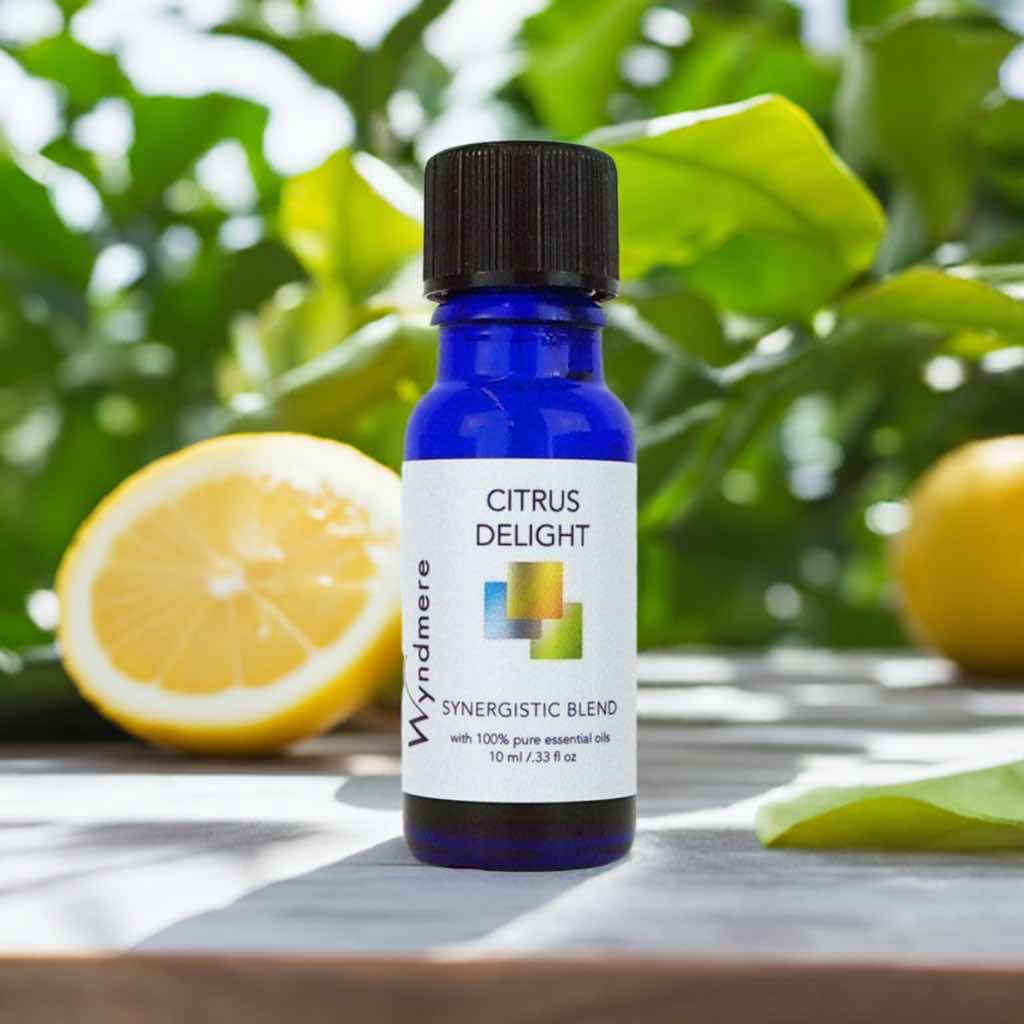
Citrus oils—like lemon, orange, or grapefruit—tend to shift more quickly, especially when exposed to heat, light, or air.
You might notice they lose that bright, fresh quality sooner than oils like sandalwood or patchouli, which are naturally more stable.
So if you’ve ever felt like a citrus oil “faded” faster, you’re not imagining it.
It’s Not About Blame—It’s About Awareness
If you’ve ever stored oils on a windowsill or left one uncapped for a while, you’re definitely not alone.
Most people don’t think about storage until they notice a change.
And even then, it’s not something to stress over.
Essential oils are meant to be used—not handled perfectly.
Simple Ways to Store Oils Better (Without Overcomplicating It)
You don’t need a special cabinet or a complicated system.
A few small adjustments go a long way:
Keep oils in a cool, dry place
Store them away from direct sunlight
Make sure the caps are closed tightly after use
That’s really it.
It’s not about perfection—it’s about consistency.
How to Tell If an Oil Has Changed
You don’t need to analyze it or compare it to anything.
Your nose will usually tell you.
If an oil:
- Smells noticeably different than before
- Feels dull or less vibrant
- Has lost its balance
…it may have shifted due to storage conditions.
And that’s okay.
It’s part of working with natural materials.
What to Do If an Oil Feels “Off”
If you notice a change, you don’t necessarily have to throw it away right away.
Some people choose to:
- Use it in less prominent ways (like general room scenting)
- Blend it with other oils
- Or simply replace it if the scent no longer feels enjoyable
There’s no strict rule—just go with what feels right to you.
Bringing It Back to Everyday Life
At the end of the day, essential oils are meant to support your space in a simple, natural way.
Storage is just one small piece of that experience.
When handled with a bit of care, oils can stay closer to their original scent for longer.
But even when they shift, it’s not a failure—it’s just part of the process.
A Gentle Final Thought
It’s easy to assume that something has gone “wrong” when an oil changes.
But more often, it’s simply responding to its environment.
Just like the plants they come from, essential oils are influenced by the conditions around them.
A little awareness goes a long way.
Not to control everything.
Just to keep things feeling the way you enjoy them for a little longer.






Leave a comment (all fields required)