







Here’s something a lot of people notice—but don’t always understand:
Some essential oils seem to disappear almost as quickly as you use them.
You add a few drops, enjoy the scent for a little while… and then it’s gone.
Meanwhile, other oils seem to linger in the background, holding their presence long after you’ve stopped paying attention.
It can feel inconsistent.
But there’s actually a very simple reason behind it.
Not All Oils Evaporate at the Same Speed
At the most basic level, essential oils fade at different rates because they evaporate at different speeds.
Some are naturally lighter and more volatile.
Others are heavier and more stable.
That’s it.
It’s not about quality. It’s not about how “good” the oil is.
It’s just the nature of the plant it came from.
The “Light vs. Heavy” Idea
Let’s keep this simple.
Some oils feel:
- Bright
- Fresh
- Sharp
- Uplifting
These are typically lighter oils—and they tend to fade faster.
Others feel:
- Warm
- Deep
- Grounded
- Steady
These are usually heavier oils—and they stick around longer.
You’ve probably experienced this without even thinking about it.
Why Citrus Oils Fade So Quickly
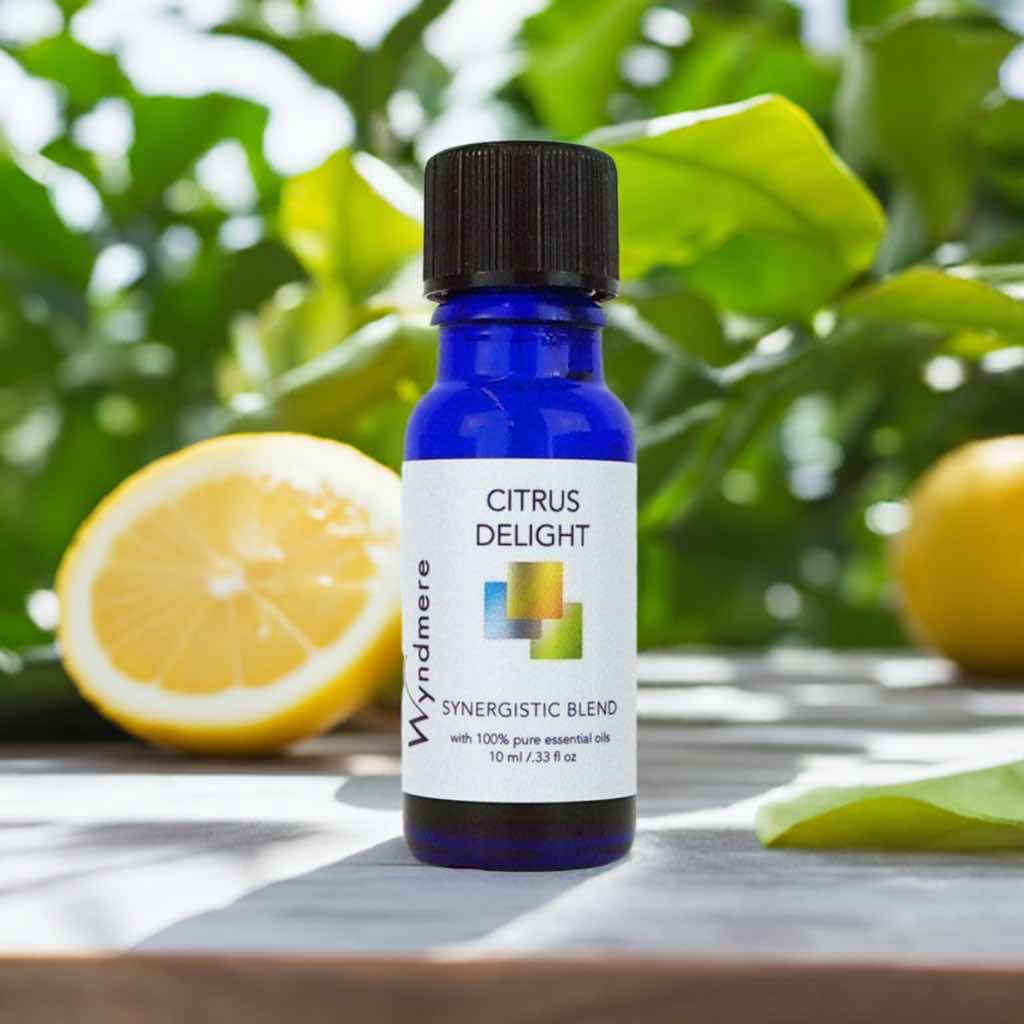
Citrus oils are a perfect example.
Lemon, orange, grapefruit—they smell fresh and vibrant right away.
But they don’t last very long.
That’s because they’re made up of compounds that evaporate quickly.
It’s part of what gives them that clean, bright feeling.
So when a citrus oil fades fast, it’s not a flaw—it’s actually doing exactly what it’s meant to do.
Why Woodsy and Resinous Oils Last Longer
On the other end, you have oils like:
- Cedarwood
- Sandalwood
- Frankincense
- Patchouli
These tend to feel deeper and more grounded.
And they fade much more slowly.
That’s because their natural compounds are heavier—they don’t evaporate as quickly.
So they linger.
Sometimes subtly. Sometimes more noticeably.
It’s Not Just the Oil—It’s the Structure of the Blend
If you’re using a single oil, you’ll notice its natural lifespan pretty clearly.
But when you’re blending oils, things get a little more interesting.
A blend made entirely of light oils will fade quickly.
A blend that includes deeper oils will last longer.
So it’s not just about individual oils—it’s about how they’re combined.
Temperature and Airflow Matter Too
Even though the oil itself plays the biggest role, your environment also matters.
For example:
- Warm rooms can cause oils to evaporate faster
- Strong airflow (like fans or open windows) can disperse scent more quickly
- Larger spaces naturally dilute scent faster than smaller ones
So sometimes it’s not just that the oil fades—it’s that it spreads out and becomes less noticeable.
Diffuser Style Can Influence Longevity
If you’re using a diffuser, the way it disperses oil can also affect how long the scent seems to last.
A strong, continuous output may make the scent feel intense at first—but fade faster once it stops.
A gentler, intermittent output can sometimes make the scent feel more consistent over time.
So if you’ve ever thought, “This oil doesn’t last,” it may be partly about how it’s being diffused.
Your Nose Adjusts More Than You Think
Here’s a subtle factor that’s easy to miss:
Your sense of smell adapts.
If you’re in the same space for a while, your nose can become less sensitive to a scent—even if it’s still there.
So sometimes what feels like fading is actually just your perception shifting.
If you leave the room and come back, you might notice the scent again.
Why This Matters for Blending
Understanding why oils fade at different speeds makes blending much easier.
Instead of expecting every oil to last the same amount of time, you can start to work with their natural behavior.
For example:
- Use lighter oils for a quick, refreshing feel
- Use deeper oils to anchor and extend the blend
- Combine both to create something that evolves over time
This approach creates a more balanced experience.
A Simple Way to Extend a Scent
If you find that your blends fade too quickly, you don’t need to completely change them.
Try adding just a small amount of a longer-lasting oil.
Even one or two drops of something like cedarwood or frankincense can help the scent linger longer.
You’re not overpowering the blend—you’re supporting it.
Why “Stronger” Isn’t Always the Answer
It’s tempting to think that adding more oil will make it last longer.
But more doesn’t always mean better.
Sometimes it just makes the scent feel heavier at the beginning—without actually extending how long it lasts.
Balance matters more than quantity.
Bringing It Back to Everyday Life
At the end of the day, essential oils aren’t designed to behave like synthetic fragrances.
They don’t aim for maximum staying power.
They move. They change. They fade naturally.
And that’s part of what makes them feel more subtle and adaptable in your space.
A Gentle Final Thought
It’s easy to assume that a scent fading quickly is a problem.
But often, it’s just the nature of the oil itself.
Some scents are meant to be brief and refreshing.
Others are meant to stay a little longer in the background.
And when you start to see that difference not as a flaw—but as a feature—it becomes much easier to work with essential oils in a way that feels natural and enjoyable.






Leave a comment (all fields required)