



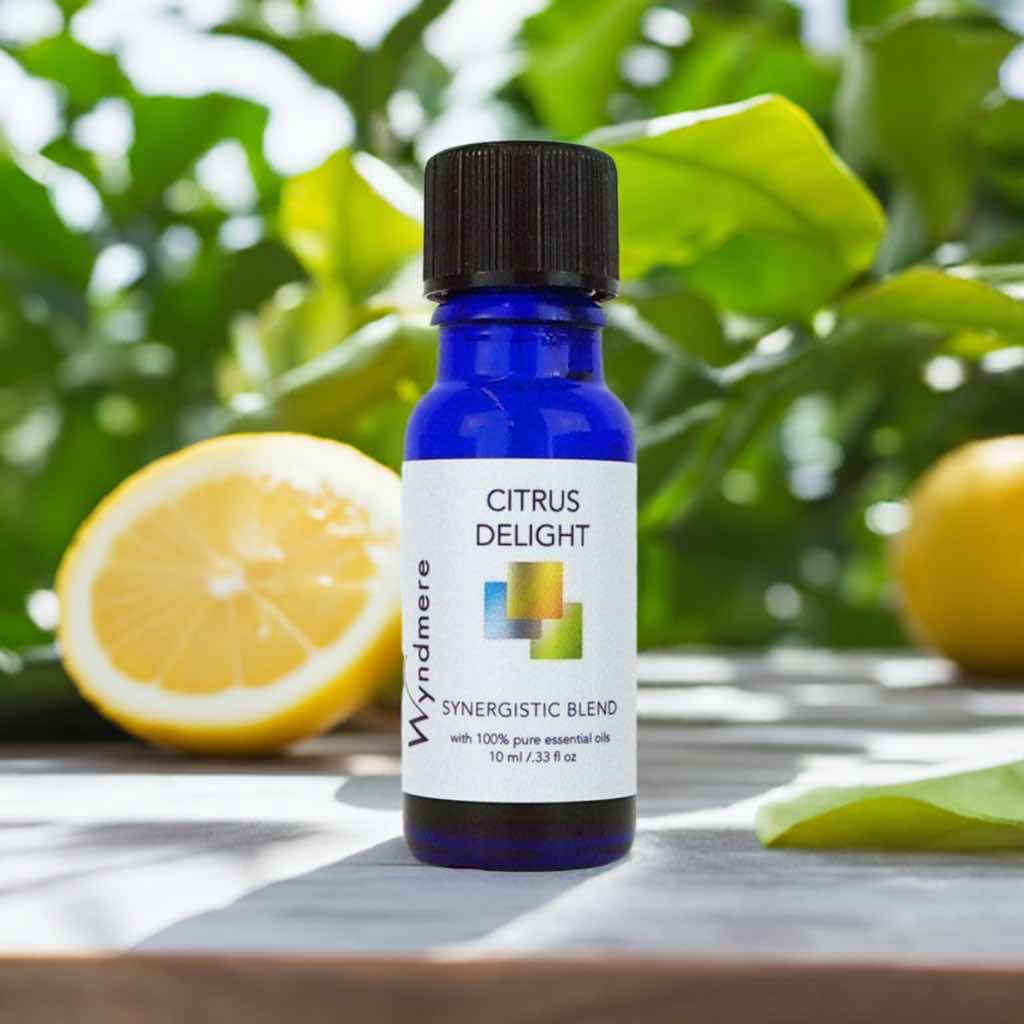





Fragrance is everywhere.
From candles and cleaning products to skincare and air fresheners, scent plays a powerful role in how we experience our environment. But not all fragrances are created the same.
You’ve likely seen labels like “natural fragrance,” “essential oils,” or simply “fragrance” — and wondered what the difference really is.
So, are synthetic fragrances bad?
And how do they compare to natural scents like essential oils?
In this guide, we’ll break down:
• What synthetic fragrances are
• How they differ from natural scents
• Potential concerns and misconceptions
• Benefits of each approach
• How to make informed choices
Let’s take a balanced, fact-based look.
What Are Synthetic Fragrances?
Synthetic fragrances are man-made scent compounds created in a lab.
They are often designed to:
• Replicate natural scents (like rose or vanilla)
• Create entirely new scent profiles
• Enhance longevity and consistency
You’ll typically see them listed on labels as:
• “Fragrance”
• “Parfum”
• “Perfume”
These terms can represent a blend of dozens — sometimes hundreds — of individual compounds.
What Are Natural Fragrances?
Natural fragrances come directly from plant sources.
The most common type is essential oils, which are extracted from:
• Flowers (lavender, rose)
• Leaves (eucalyptus, peppermint)
• Peels (lemon, orange)
• Resins (frankincense, myrrh)
These oils contain complex mixtures of naturally occurring compounds that give each plant its unique aroma.
Key Differences Between Synthetic and Natural Scents
1. Source
Synthetic Fragrances:
• Created in a laboratory
• Derived from chemical compounds
Natural Fragrances:
• Extracted from plants
• Derived from nature
2. Complexity
Natural essential oils can contain hundreds of naturally occurring compounds.
Synthetic fragrances are often simplified or engineered to emphasize specific scent notes.
3. Consistency
Synthetic fragrances are highly consistent.
Every batch smells exactly the same.
Natural oils may vary slightly depending on:
• Harvest conditions
• Climate
• Soil quality
This variation is part of their natural character.
4. Longevity
Synthetic fragrances are often designed to last longer.
They may:
• Stay noticeable for extended periods
• Be more resistant to evaporation
Natural essential oils tend to be more subtle and may fade more quickly.
5. Transparency
Essential oils are typically labeled clearly by plant name.
Synthetic fragrances are often listed simply as “fragrance,” without disclosing specific ingredients.
Are Synthetic Fragrances Harmful?
The answer is not black and white.
Some synthetic fragrance compounds are considered safe for general use, while others may raise concerns for certain individuals.
Potential concerns include:
• Skin sensitivity or irritation
• Headaches triggered by strong scents
• Respiratory discomfort in sensitive individuals
• Lack of ingredient transparency
Because “fragrance” can represent many different compounds, it’s difficult for consumers to know exactly what they are exposed to.
Are Natural Fragrances Always Safer?
Not necessarily.
Essential oils are natural — but they are also highly concentrated.
They can:
• Cause irritation if used undiluted
• Trigger sensitivities in some individuals
• Require proper handling and dilution
Natural does not automatically mean risk-free.
The key is proper use and awareness.
Why Many People Prefer Natural Scents
Despite the nuances, many people choose natural fragrances for several reasons.
1. Ingredient Transparency
With essential oils, you typically know exactly what you’re using.
Example:
Lavender oil = Lavandula angustifolia
There are no hidden blends or undisclosed compounds.
2. Simpler Formulations
Natural products often contain fewer ingredients.
This appeals to those looking to reduce exposure to complex chemical mixtures.
3. Aromatherapy Benefits
Essential oils are often used not just for scent, but for their potential to support:
• Relaxation
• Focus
• Mood balance
Synthetic fragrances are generally designed for scent alone.
4. Connection to Nature
Many people enjoy the authenticity of natural aromas.
They tend to feel:
• Softer
• More nuanced
• Less overpowering
When Synthetic Fragrances May Be Preferred
There are situations where synthetic fragrances have advantages.
1. Long-Lasting Scent
If longevity is a priority, synthetic fragrances often last longer.
2. Cost
Synthetic fragrances are usually less expensive to produce.
3. Unique Scents
Some scent profiles cannot be easily extracted from nature.
Synthetic fragrance allows for more creative combinations.
How to Make Informed Choices
Rather than labeling one option as “good” or “bad,” focus on awareness.
Ask yourself:
• Do I prefer transparency or longevity?
• Am I sensitive to strong scents?
• Do I want aromatherapy benefits or just fragrance?
• Am I comfortable with undisclosed ingredients?
Your preferences and sensitivities matter.
Tips for Choosing Natural Fragrance Products
If you prefer natural scents:
• Look for products made with essential oils
• Check ingredient lists carefully
• Avoid vague terms like “fragrance” or “parfum”
• Choose reputable brands that prioritize transparency
• Use products as directed for safety
Creating a Naturally Scented Environment
You don’t need synthetic fragrances to enjoy a fresh, inviting space.
Natural options include:
• Diffusing essential oils
• Using DIY room sprays
• Adding oils to cleaning routines
• Creating personal aromatherapy blends
These approaches give you full control over what you’re using.
Final Thoughts
So — are synthetic fragrances bad?
Not inherently.
But they can raise concerns around transparency, sensitivity, and ingredient complexity.
Natural fragrances, like essential oils, offer:
• Simplicity
• Transparency
• Aromatherapy benefits
• A more nature-connected experience
Ultimately, the best choice depends on your personal preferences, lifestyle, and how your body responds.
The goal isn’t perfection — it’s awareness.
When you understand what’s behind the scent, you can make choices that align with your values and your well-being.






Leave a comment (all fields required)