



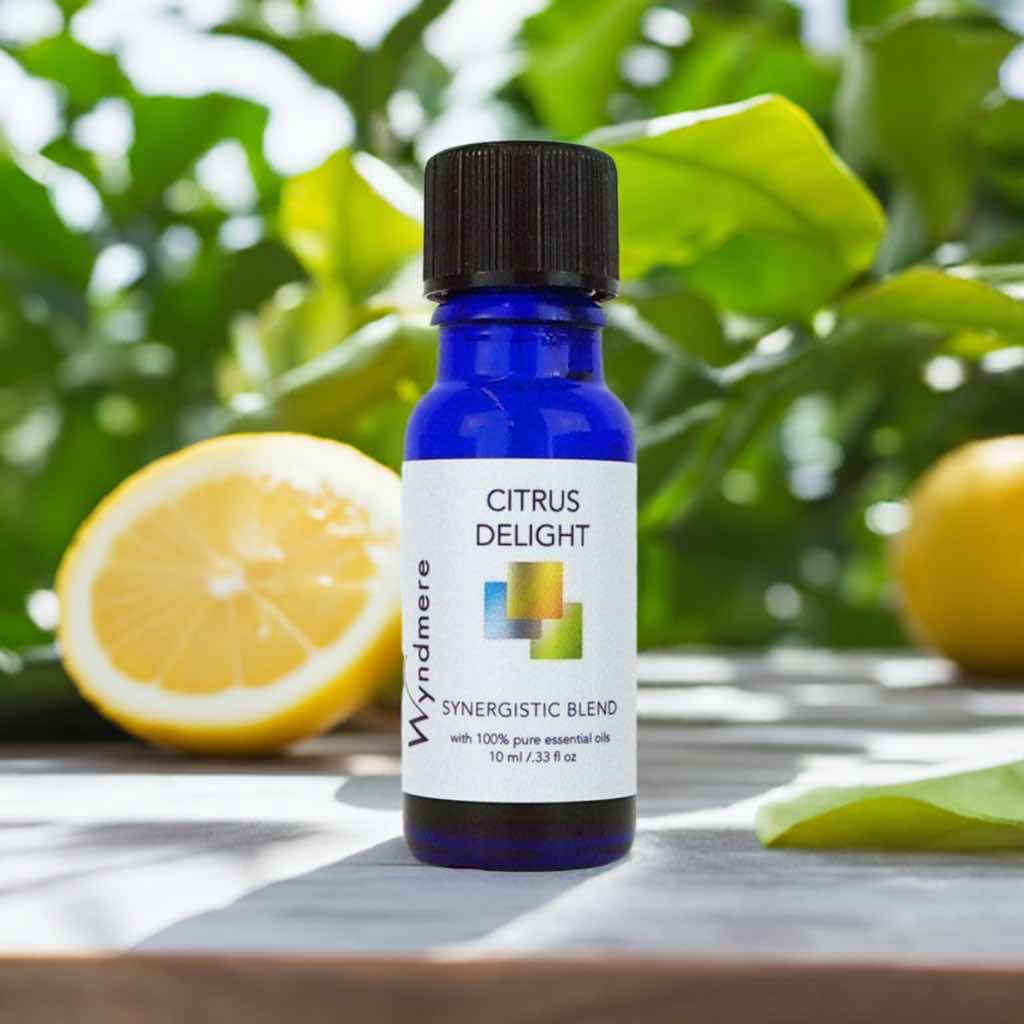





Have you ever opened a bottle of essential oil and noticed it smells… different?
Maybe it’s weaker.
Maybe it smells sharper or slightly “off.”
Or maybe it just doesn’t have the same richness it once did.
This is completely normal.
Essential oils are natural plant extracts — and like all natural products, they change over time.
In this guide, you’ll learn:
• Why essential oils smell different over time
• What happens inside the bottle as they age
• How to tell if an oil has gone bad
• When to replace your oils
• How to store them properly to maintain freshness
Let’s break it down.
Why Do Essential Oils Change Over Time?
The main reason essential oils change is a process called oxidation.
Oxidation occurs when essential oil compounds are exposed to:
• Oxygen (air)
• Light
• Heat
These factors cause chemical changes that alter the oil’s aroma, stability, and performance.
Every time you open a bottle, a small amount of oxygen enters — starting this process.
What Happens During Oxidation?
Essential oils are made up of delicate aromatic compounds.
Over time, oxidation can:
• Break down certain compounds
• Transform others into new compounds
• Reduce volatility (how easily the scent disperses)
• Change the balance of the aroma
This is why an oil that once smelled fresh and vibrant may later smell flat, sharp, or dull.
How Aroma Changes Over Time
Not all changes are the same.
Here are common ways essential oils may smell different as they age.
1. Fading or Weak Aroma
Some oils simply lose strength.
You may notice:
• Less scent intensity
• Shorter-lasting aroma
• Reduced impact when diffused
This is common with older oils or those stored improperly.
2. Sharp or Sour Notes
Oxidized oils may develop:
• Harsh top notes
• Slightly sour or metallic smells
• Unbalanced scent profiles
This is especially noticeable in citrus oils.
3. Heavier or Duller Aroma
Some oils lose their brightness and become:
• Muted
• Less complex
• Less “alive”
They may still smell pleasant — just less vibrant.
4. Thick or Sticky Texture
In some cases, oils may also change in texture.
You might notice:
• Increased thickness
• Slight stickiness
• Cloudiness
This is more common in older or poorly stored oils.
Which Oils Change the Fastest?
Not all essential oils age at the same rate.
Fast-Oxidizing Oils (1–2 Years)
These are the most sensitive:
Lemon
Sweet Orange
Grapefruit
Bergamot
Citrus oils contain highly volatile compounds that break down quickly.
Moderate Stability Oils (2–3 Years)
Lavender
Tea Tree
Eucalyptus
Peppermint
Rosemary
These oils are more stable but still require proper storage.
Slow-Aging Oils (4–8+ Years)
Frankincense
Sandalwood
Patchouli
Vetiver
Myrrh
These oils are more stable — and in some cases, their aroma may deepen over time.
When Should You Replace an Essential Oil?
Here are clear signs it’s time to replace your oil.
1. The Smell Has Clearly Changed
If the aroma is:
• Unpleasant
• Sour
• Sharp or irritating
It’s best to stop using it.
2. It Causes Skin Irritation
Oxidized oils are more likely to irritate the skin.
If an oil that was previously fine now causes redness or discomfort, discontinue use.
3. It No Longer Performs Well
If the oil:
• Doesn’t diffuse well
• Feels weak or ineffective
• Lacks its original character
It may be past its prime.
4. It’s Past Its Typical Shelf Life
Use general guidelines:
Citrus oils: 1–2 years
Most oils: 2–3 years
Resins/woods: 4–8+ years
If you’re unsure when you opened it, err on the side of caution.
Can You Still Use Old Essential Oils?
Sometimes — but with limitations.
You may still use older oils for:
• Household cleaning
• Non-topical applications
• Scenting trash bins or outdoor areas
Avoid using oxidized oils:
• On skin
• In sensitive environments
• For therapeutic routines
When in doubt, replace it.
How to Keep Essential Oils Smelling Fresh Longer
Proper storage makes a huge difference.
1. Keep Bottles Tightly Sealed
Minimize oxygen exposure by closing caps immediately after use.
2. Store in a Cool, Dark Place
Ideal storage locations:
• Cabinets
• Drawers
• Storage boxes
Avoid:
• Windowsills
• Bathrooms
• Cars
3. Use Dark Glass Bottles
Amber and cobalt bottles protect oils from light.
Avoid transferring oils to clear or plastic containers.
4. Refrigerate Citrus Oils
Optional but helpful.
Refrigeration can slow oxidation for citrus oils and extend their freshness.
5. Buy Smaller Quantities
If you don’t use oils frequently, smaller bottles help ensure you use them before they degrade.
Why Freshness Matters
Using fresh essential oils ensures:
• Better aroma
• More consistent blending
• Reduced risk of irritation
• A more enjoyable experience
Old oils don’t just smell different — they behave differently.
A Quick Freshness Check Routine
Before using an oil:
- Open the bottle and smell it.
- Compare it to how you remember it.
- Check for any visual or texture changes.
- Test cautiously (if using topically, always dilute).
If anything seems off, replace it.
Final Thoughts
Essential oils are living, dynamic plant extracts — not static products.
Over time, they naturally change due to oxidation and environmental exposure.
Understanding why they smell different helps you:
• Use oils safely
• Maintain quality
• Get the most out of your collection
With proper storage and awareness, your essential oils can stay fresh, vibrant, and effective for as long as possible.
And when they change — you’ll know exactly what to do.






Leave a comment (all fields required)