



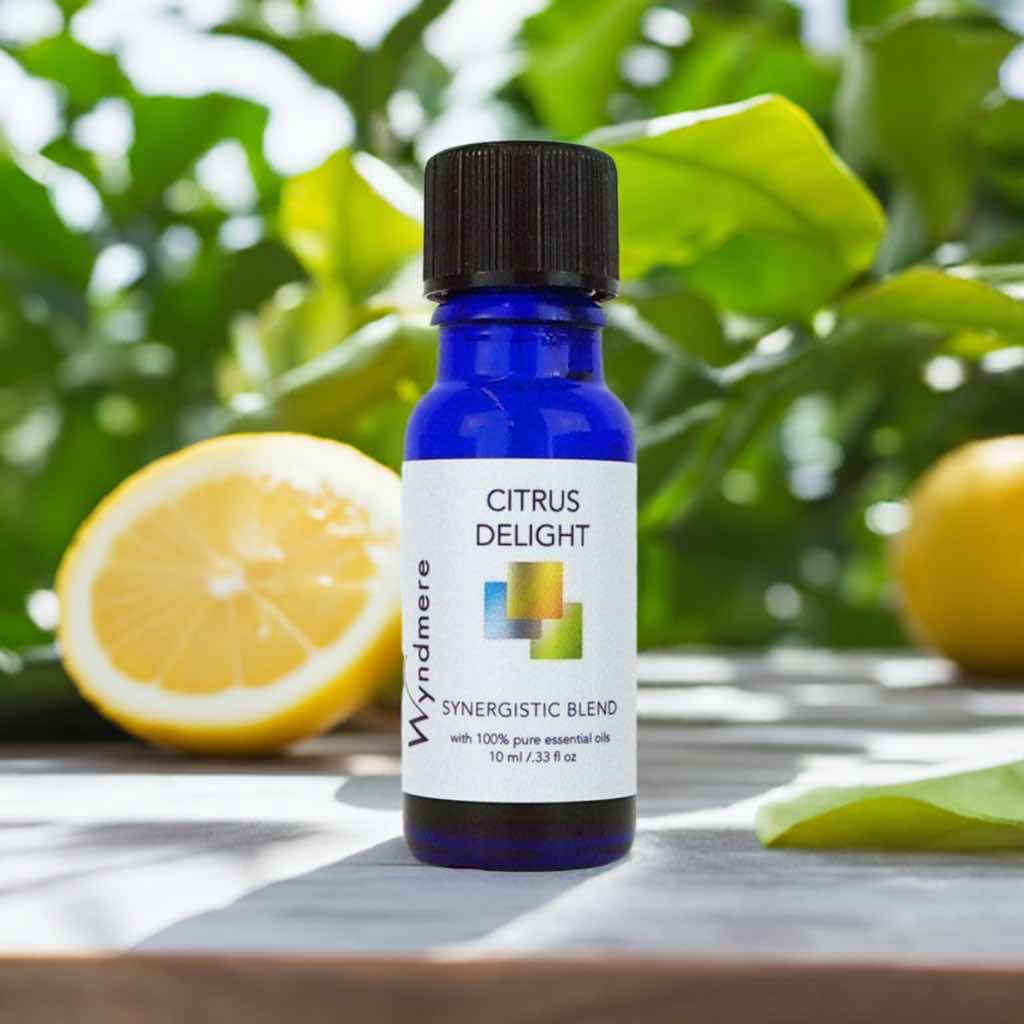





Every room in your home serves a different purpose — and the way it feels matters.
Scent can play a powerful role in shaping your environment.
While essential oils do not change a room’s function, many people use them to create a more intentional atmosphere throughout their home.
From energizing kitchens to calming bedrooms, choosing the right essential oils for each space can help support how you want that room to feel.
In this guide, you’ll learn:
• How to match essential oils to different rooms
• Which oils are commonly used in each space
• Simple blends for every area of your home
• Tips for safe and effective use
Let’s walk room by room.
Why Use Different Oils for Different Rooms?
Each space in your home has its own purpose.
For example:
• Kitchens are active and social
• Bedrooms are restful and quiet
• Offices are focused and productive
Using different essential oils in each space may help:
• Create clear transitions between activities
• Support the intended atmosphere of each room
• Enhance your daily routine
The goal is not perfection — it’s creating a space that feels aligned with how you use it.
Living Room: Warm & Welcoming
The living room is often a shared space for relaxing, hosting, and unwinding.
Oils Commonly Used
Sweet Orange (Citrus sinensis)
Lavender (Lavandula angustifolia)
Cedarwood (Cedrus atlantica)
Frankincense (Boswellia neglecta)
These oils are often chosen for their balanced, inviting aromas.
Simple Living Room Blend
3 drops Sweet Orange
2 drops Lavender
1 drop Cedarwood
Kitchen: Fresh & Clean
Kitchens benefit from bright, clean scents that feel refreshing.
Oils Commonly Used
Lemon (Citrus limon)
Eucalyptus (Eucalyptus globulus)
Tea Tree (Melaleuca alternifolia)
Rosemary (Rosmarinus officinalis)
These oils are often associated with freshness.
Simple Kitchen Blend
3 drops Lemon
2 drops Eucalyptus
1 drop Rosemary
Bedroom: Calm & Restful
Bedrooms are designed for rest and relaxation.
Oils Commonly Used
Lavender (Lavandula angustifolia)
Roman Chamomile (Anthemis nobilis)
Cedarwood (Cedrus atlantica)
Frankincense (Boswellia neglecta)
These oils are commonly used in evening routines.
Simple Bedroom Blend
2 drops Lavender
2 drops Cedarwood
1 drop Roman Chamomile
Bathroom: Clean & Refreshing
Bathrooms benefit from crisp, clean aromas.
Oils Commonly Used
Eucalyptus (Eucalyptus globulus)
Peppermint (Mentha piperita)
Tea Tree (Melaleuca alternifolia)
Lemon (Citrus limon)
These oils are often used to create a refreshing environment.
Simple Bathroom Blend
2 drops Eucalyptus
2 drops Lemon
1 drop Peppermint
Home Office: Focused & Clear
Workspaces benefit from scents that support a focused environment.
Oils Commonly Used
Peppermint (Mentha piperita)
Rosemary (Rosmarinus officinalis)
Lemon (Citrus limon)
Basil (Ocimum basilicum)
These oils are often chosen for their crisp, invigorating aromas.
Simple Office Blend
2 drops Lemon
2 drops Peppermint
1 drop Rosemary
Entryway: Fresh First Impression
Your entryway sets the tone for your home.
Oils Commonly Used
Sweet Orange (Citrus sinensis)
Lemon (Citrus limon)
Grapefruit (Citrus paradisi)
These oils create a bright, welcoming atmosphere.
Simple Entryway Blend
3 drops Sweet Orange
2 drops Lemon
Laundry Room: Clean & Light
Laundry areas benefit from soft, fresh scents.
Oils Commonly Used
Lavender (Lavandula angustifolia)
Lemon (Citrus limon)
Eucalyptus (Eucalyptus globulus)
Simple Laundry Blend
2 drops Lavender
2 drops Lemon
Meditation or Quiet Space: Grounded & Centered
If you have a space for reflection or relaxation, grounding scents may help create a calm environment.
Oils Commonly Used
Frankincense (Boswellia neglecta)
Sandalwood (if available)
Myrrh (Commiphora myrrha)
Cedarwood (Cedrus atlantica)
Simple Grounding Blend
2 drops Frankincense
2 drops Cedarwood
1 drop Myrrh
How to Use Essential Oils in Each Room
Diffusion
Add 4–8 drops of essential oil to a diffuser.
Diffuse for 30–60 minutes at a time.
Room Sprays
Use a diluted spray to lightly mist the air or fabrics (test first).
Passive Diffusion
Use:
• Cotton balls
• Ceramic diffusers
• Scent stones
For subtle, ongoing scent.
Tips for Best Results
• Match scent intensity to room size
• Rotate scents to keep them noticeable
• Use fewer drops rather than more
• Keep blends simple
Each room should feel distinct, not overwhelming.
Safety Considerations
• Use in well-ventilated spaces
• Avoid continuous diffusion for long periods
• Keep oils out of reach of children and pets
• Discontinue use if irritation occurs
Essential oils are not a substitute for proper cleaning or ventilation.
Creating a Cohesive Home Scent Experience
While each room can have its own scent, try to keep a sense of harmony.
For example:
• Use citrus oils throughout common areas
• Use calming oils in private spaces
• Avoid using too many conflicting scents at once
This creates a more cohesive experience.
Final Thoughts
Scent has the ability to shape how a space feels.
Using essential oils throughout your home may help:
• Create intentional environments
• Support daily routines
• Enhance comfort and atmosphere
With a few thoughtful choices, each room can reflect how you want to feel in that space.






Leave a comment (all fields required)