



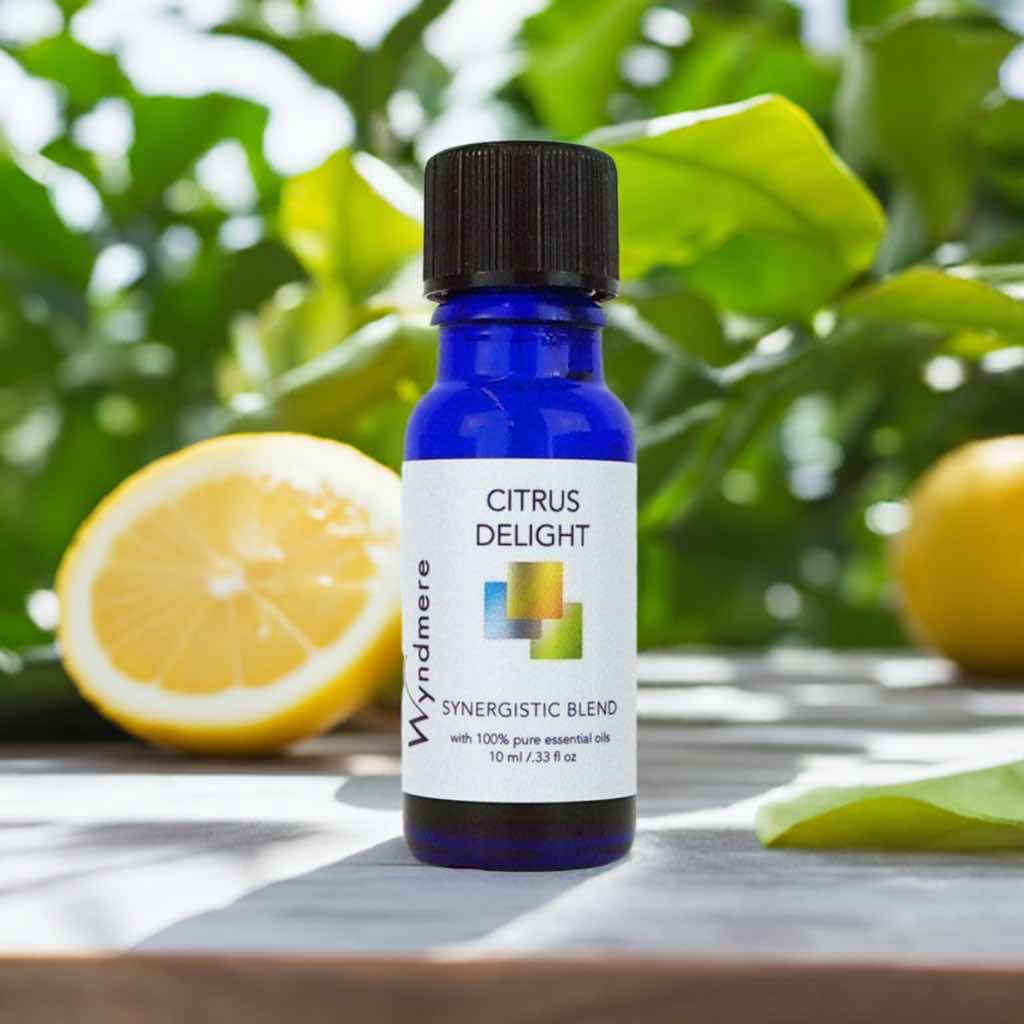




Many household cleaning products rely on synthetic fragrances and complex ingredient lists.
For those looking to simplify their routines, DIY cleaning solutions made with essential oils offer a more natural approach to maintaining a fresh and clean environment.
While essential oils do not replace the function of proper cleaning agents, they may help enhance the scent of your space and support a more intentional cleaning routine.
In this complete guide, you’ll learn:
• Why people choose natural cleaning alternatives
• Common ingredients used in DIY cleaning products
• How to safely use essential oils in cleaning
• Step-by-step recipes for different areas of your home
• Tips for best results
Let’s get started.
Why Choose DIY Natural Cleaning Products?
Many people are becoming more mindful of what they bring into their homes.
DIY cleaning products offer:
• Simpler ingredient lists
• Greater control over scent
• Customizable blends
• A more natural cleaning experience
Instead of masking odors, these methods focus on creating a clean foundation and adding fresh, plant-based aromas.
What Essential Oils Can (and Can’t) Do
Essential oils are not a substitute for proper cleaning agents like soap or disinfectants.
However, they may:
• Add a fresh scent to cleaning solutions
• Enhance the sensory experience of cleaning
• Support a more pleasant home environment
Always pair essential oils with appropriate cleaning ingredients.
Core Ingredients for DIY Cleaning
Before making your own products, it’s helpful to understand the basics.
1. Distilled Water
Used as a base for sprays.
Helps dilute ingredients and distribute them evenly.
2. White Vinegar
Commonly used in household cleaning.
May help remove buildup and odors.
3. Baking Soda
A mild abrasive.
Useful for scrubbing and deodorizing surfaces.
4. Alcohol (Vodka or Rubbing Alcohol)
Helps disperse essential oils and improve spray performance.
5. Castile Soap
A plant-based soap used for general cleaning.
Essential Oils Commonly Used in Cleaning
Lemon – bright and clean
Tea Tree – fresh and herbal
Eucalyptus – crisp and refreshing
Lavender – soft and balanced
Peppermint – cool and invigorating
Sweet Orange – light and uplifting
These oils are often chosen for their fresh, clean scent profiles.
All-Purpose Cleaning Spray
A simple solution for everyday surfaces.
Ingredients
1 cup distilled water
1/2 cup white vinegar
15–25 drops essential oils
Instructions
- Add vinegar to a spray bottle.
- Add essential oils.
- Fill with distilled water.
- Shake well before use.
Suggested Blend
10 drops Lemon
5 drops Tea Tree
5 drops Eucalyptus
Glass & Mirror Spray
For streak-free surfaces.
Ingredients
1 cup distilled water
1/2 cup rubbing alcohol
10–15 drops essential oils
Instructions
- Combine all ingredients in a spray bottle.
- Shake before use.
- Spray lightly and wipe with a clean cloth.
Suggested Blend
8 drops Lemon
4 drops Peppermint
Kitchen Surface Spray
For countertops and food prep areas.
Ingredients
1 cup distilled water
1 tablespoon castile soap
10–15 drops essential oils
Instructions
- Add all ingredients to a bottle.
- Shake gently.
- Spray and wipe surfaces.
Suggested Blend
6 drops Lemon
4 drops Sweet Orange
2 drops Rosemary
Bathroom Cleaning Spray
For sinks, tubs, and tile.
Ingredients
1 cup distilled water
1/2 cup white vinegar
15–20 drops essential oils
Instructions
- Combine ingredients in a spray bottle.
- Shake well.
- Spray and allow to sit briefly before wiping.
Suggested Blend
8 drops Eucalyptus
5 drops Tea Tree
5 drops Lemon
Scrubbing Powder
For tougher cleaning tasks.
Ingredients
1 cup baking soda
10–15 drops essential oils
Instructions
- Mix baking soda and essential oils thoroughly.
- Sprinkle onto surface.
- Scrub gently and rinse.
Suggested Blend
6 drops Lemon
4 drops Lavender
Floor Cleaning Solution
For tile or sealed floors.
Ingredients
1 gallon warm water
1 tablespoon castile soap
10–15 drops essential oils
Instructions
- Add all ingredients to a bucket.
- Mix gently.
- Mop as usual.
Suggested Blend
8 drops Eucalyptus
5 drops Lemon
Tips for Best Results
• Always shake sprays before use
• Use clean cloths or microfiber towels
• Test on small areas first
• Label your bottles clearly
• Store in a cool, dark place
Consistency is key.
What to Avoid
• Mixing vinegar with certain surfaces (like natural stone)
• Using too much essential oil
• Applying undiluted oils directly to surfaces
• Storing in plastic containers long-term
Proper use ensures better performance and safety.
Safety Considerations
• Keep out of reach of children and pets
• Avoid contact with eyes and skin
• Use in well-ventilated areas
• Discontinue use if irritation occurs
Essential oils are highly concentrated and should be handled carefully.
Creating a Cleaning Routine
DIY cleaning works best when it becomes part of a consistent habit.
Try:
• Weekly surface cleaning
• Regular laundry refreshes
• Occasional deep cleaning sessions
• Rotating scent blends to keep things fresh
This helps maintain a clean and inviting environment.
Final Thoughts
DIY natural cleaning products with essential oils offer a simple way to refresh your home without relying on synthetic fragrances.
While essential oils are not cleaning agents on their own, they may help:
• Enhance your cleaning routine
• Create a fresh atmosphere
• Add a personal touch to your home
With just a few ingredients and thoughtful use, you can build a cleaning routine that feels both effective and intentional.






Leave a comment (all fields required)