







Seasonal changes often bring more than just warmer weather and blooming plants — they can also come with discomfort like congestion, sneezing, or a general sense of irritation in the air.
Many people explore different ways to support their environment and daily routines during these times, including the use of essential oils.
While essential oils are not a treatment or cure for allergies, some individuals choose to incorporate them into their routines to help create a more comfortable and refreshing space.
In this guide, we’ll explore:
• What seasonal allergies are
• How essential oils may fit into your environment
• Common oils used during seasonal changes
• Safe ways to use them
• Important precautions to keep in mind
Let’s take a balanced and informed approach.
What Are Seasonal Allergies?
Seasonal allergies occur when the immune system reacts to airborne substances such as:
• Pollen
• Dust
• Mold
• Environmental irritants
Common experiences may include:
• Sneezing
• Nasal congestion
• Itchy or watery eyes
• General discomfort in changing environments
These responses vary from person to person and may require medical guidance if they are persistent or severe.
Can Essential Oils Help with Allergies?
Essential oils do not treat or prevent allergies.
However, some people use aromatherapy to:
• Support a fresh-smelling indoor environment
• Encourage a sense of openness and comfort
• Create a calming atmosphere during seasonal transitions
• Complement other wellness habits
The focus is on supporting your environment — not altering the body’s response to allergens.
Essential Oils Commonly Used During Seasonal Changes
These oils are often included in blends used during times when the air feels heavier or more irritating.
Eucalyptus (Eucalyptus globulus)
Eucalyptus has a crisp, clean aroma.
It may:
• Help create a sense of fresh, open air
• Support a refreshing indoor environment
• Pair well with mint and citrus oils
Peppermint (Mentha piperita)
Peppermint has a cooling, invigorating scent.
It may:
• Create a refreshing sensory experience
• Add brightness to blends
• Support a clean-feeling environment
Use sparingly due to its strength.
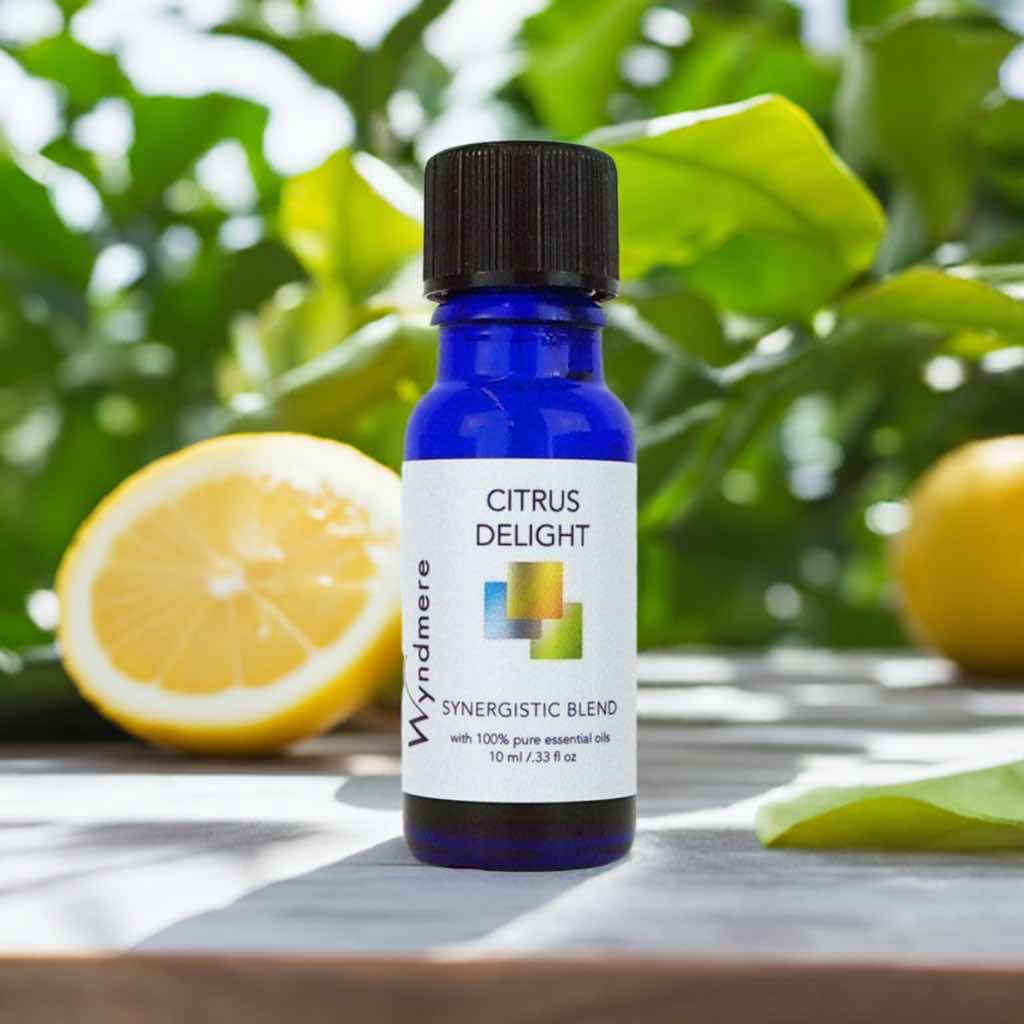
Lemon (Citrus limon)
Lemon is bright and uplifting.
It may:
• Help freshen indoor spaces
• Support a clean and light atmosphere
• Blend well with herbal oils
Lavender (Lavandula angustifolia)
Lavender is gentle and widely used.
It may:
• Support a calming environment
• Balance stronger, sharper aromas
• Complement evening routines
Tea Tree (Melaleuca alternifolia)
Tea tree has a fresh, herbal scent.
It may:
• Support a clean-smelling environment
• Be included in home cleaning routines
• Pair well with eucalyptus and lemon
How to Use Essential Oils During Allergy Season
1. Diffusion
Diffusing essential oils may help create a more pleasant indoor atmosphere.
How to use:
• Add 4–8 drops to a diffuser
• Diffuse for 30–60 minutes
• Use in living spaces or bedrooms
Ensure the room is well ventilated.
2. Steam Inhalation
Steam may help carry aroma more directly.
How to use:
- Add 1–2 drops of essential oil to a bowl of hot water
- Lean over the bowl at a comfortable distance
- Inhale gently for short intervals
Avoid direct contact with hot water and keep eyes closed.
3. Shower Aromatherapy
Warm steam in the shower can enhance aroma dispersion.
• Add 2–3 drops to the shower floor or a washcloth
• Allow steam to release the scent
4. Room Sprays
A light room spray may help freshen the air.
Use a simple mixture of water, alcohol, and essential oils.
Simple Seasonal Diffuser Blends
Fresh Air Blend
3 drops Eucalyptus
2 drops Lemon
1 drop Peppermint
Light & Calm Blend
2 drops Lavender
2 drops Lemon
1 drop Tea Tree
Balanced Blend
2 drops Eucalyptus
2 drops Lavender
2 drops Sweet Orange
Adjust based on room size and personal preference.
Supporting Your Environment Beyond Essential Oils
Essential oils are most effective when paired with other supportive practices.
Consider:
• Opening windows for fresh air circulation
• Using air filters or purifiers
• Keeping surfaces clean
• Washing linens regularly
• Reducing dust and buildup
These habits help create a more comfortable environment overall.
Safety Considerations
• Essential oils do not treat allergies or replace medical care
• Always use oils in well-ventilated spaces
• Avoid prolonged continuous diffusion
• Dilute oils before topical use
• Discontinue use if irritation occurs
If you experience persistent or severe allergy symptoms, consult a qualified healthcare professional.
When to Seek Medical Support
If symptoms are:
• Severe
• Long-lasting
• Interfering with daily life
• Accompanied by breathing difficulty
Professional medical guidance is important.
Final Thoughts
Essential oils can be a simple way to support your environment during seasonal changes.
While they do not address the underlying causes of allergies, they may help:
• Create a fresher indoor atmosphere
• Support a sense of comfort
• Enhance daily routines
Used thoughtfully and safely, they can be part of a broader approach to maintaining a comfortable home during seasonal transitions.






Leave a comment (all fields required)