








Staying focused can feel harder than ever.
Between constant notifications, busy schedules, and mental fatigue, maintaining concentration throughout the day isn’t always easy.
While essential oils are not a solution for productivity challenges, some people choose to use aromatherapy as part of a supportive environment for focus and mental clarity.
In this guide, we’ll explore:
• How scent may influence focus and attention
• Essential oils commonly used in focus routines
• Safe ways to use them throughout the day
• Simple blends for a productive environment
Let’s take a practical, balanced approach.
Can Essential Oils Support Focus?
Essential oils do not directly improve concentration or productivity.
However, certain aromas may:
• Help create a more intentional work environment
• Support alertness and mental clarity
• Encourage a sense of structure and routine
• Reduce distractions by setting a focused atmosphere
Because scent is closely connected to memory and mood, using consistent aromas during work or study time may help signal the brain that it’s time to focus.
Essential Oils Commonly Used for Focus
These oils are often included in daytime aromatherapy routines when the goal is to feel more alert, refreshed, and mentally engaged.
Peppermint (Mentha piperita)
Peppermint has a crisp, cooling aroma.
It may:
• Create a refreshing environment
• Support a sense of alertness
• Help reduce feelings of mental fatigue
Use in small amounts, as it is strong.
Rosemary (Rosmarinus officinalis)
Rosemary has an herbaceous, stimulating scent.
It may:
• Support mental clarity
• Encourage a focused atmosphere
• Pair well with citrus oils for daytime blends
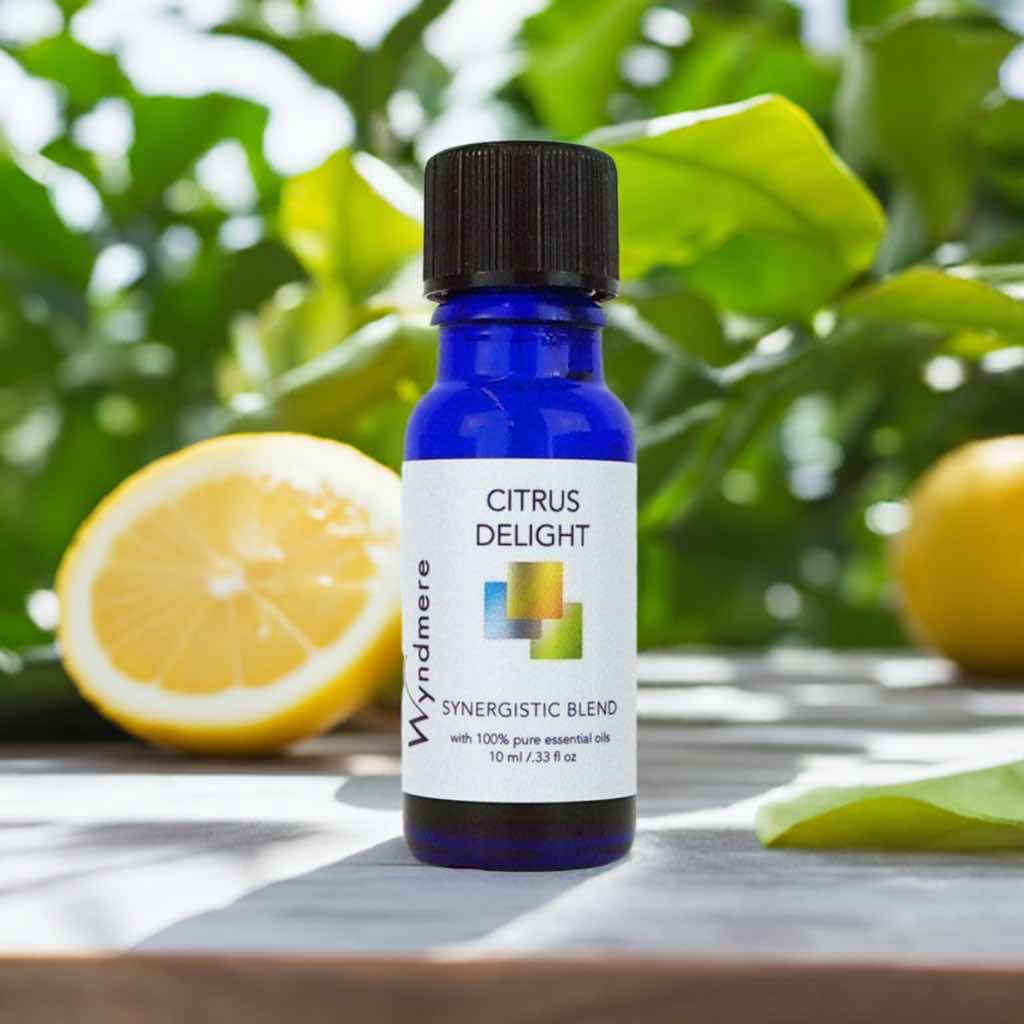
Lemon (Citrus limon)
Lemon is bright and uplifting.
It may:
• Help create a clean, energized environment
• Support a positive mood
• Blend well with herbs and mints
Eucalyptus (Eucalyptus globulus)
Eucalyptus has a crisp, airy aroma.
It may:
• Promote a sense of fresh air and openness
• Support a clear, uncluttered environment
• Enhance daytime blends
Basil (Ocimum basilicum)
Basil has a slightly sweet, herbaceous scent.
It may:
• Support mental alertness
• Encourage a sense of clarity
• Blend well with rosemary and citrus oils
How to Use Essential Oils for Focus
1. Diffusion
Add 4–8 drops of essential oil to a diffuser.
Diffusing may help:
• Create a dedicated work environment
• Reduce sensory distractions
• Establish a consistent “focus cue”
Diffuse for 30–60 minutes at a time.
2. Personal Inhalation
Add 1–2 drops to a tissue or personal inhaler.
Inhale slowly when you need a reset or mental break.
This method is simple and portable.
3. Topical Application (Diluted)
Dilute essential oils with a carrier oil before applying.
Use a 1–2% dilution:
• 6–12 drops essential oil per 1 ounce carrier oil
Apply to:
• Wrists
• Back of neck
• Upper chest
This allows for subtle, ongoing aroma throughout the day.
Simple Focus Diffuser Blends
These blends are designed to create a balanced and refreshing atmosphere.
Fresh Focus Blend
2 drops Lemon
2 drops Peppermint
1 drop Rosemary
Clean & Clear Blend
3 drops Eucalyptus
2 drops Lemon
1 drop Basil
Herbal Clarity Blend
2 drops Rosemary
2 drops Basil
2 drops Sweet Orange
Adjust based on room size and personal preference.
Creating a Focus-Friendly Environment
Essential oils are most effective when combined with supportive habits.
Consider pairing aromatherapy with:
• A clean, organized workspace
• Reduced screen distractions
• Time-blocked work sessions
• Regular breaks
• Proper hydration
Aromatherapy can complement — not replace — these foundational practices.
Safety Considerations
• Always dilute essential oils before topical use
• Avoid prolonged continuous diffusion
• Use in well-ventilated spaces
• Discontinue use if irritation occurs
• Consult a healthcare professional if needed
Essential oils are not a substitute for medical or cognitive treatment.
When Focus Challenges Persist
If difficulty concentrating is:
• Frequent
• Impacting daily performance
• Associated with fatigue or stress
It may be helpful to consult a qualified professional for guidance.
Final Thoughts
Essential oils may offer a simple way to support a focused, intentional environment.
While they do not directly improve concentration, they can:
• Help create structure in your routine
• Support a refreshing atmosphere
• Encourage a mindset shift toward productivity
Used thoughtfully, aromatherapy can become a small but meaningful part of your daily workflow.






Leave a comment (all fields required)