



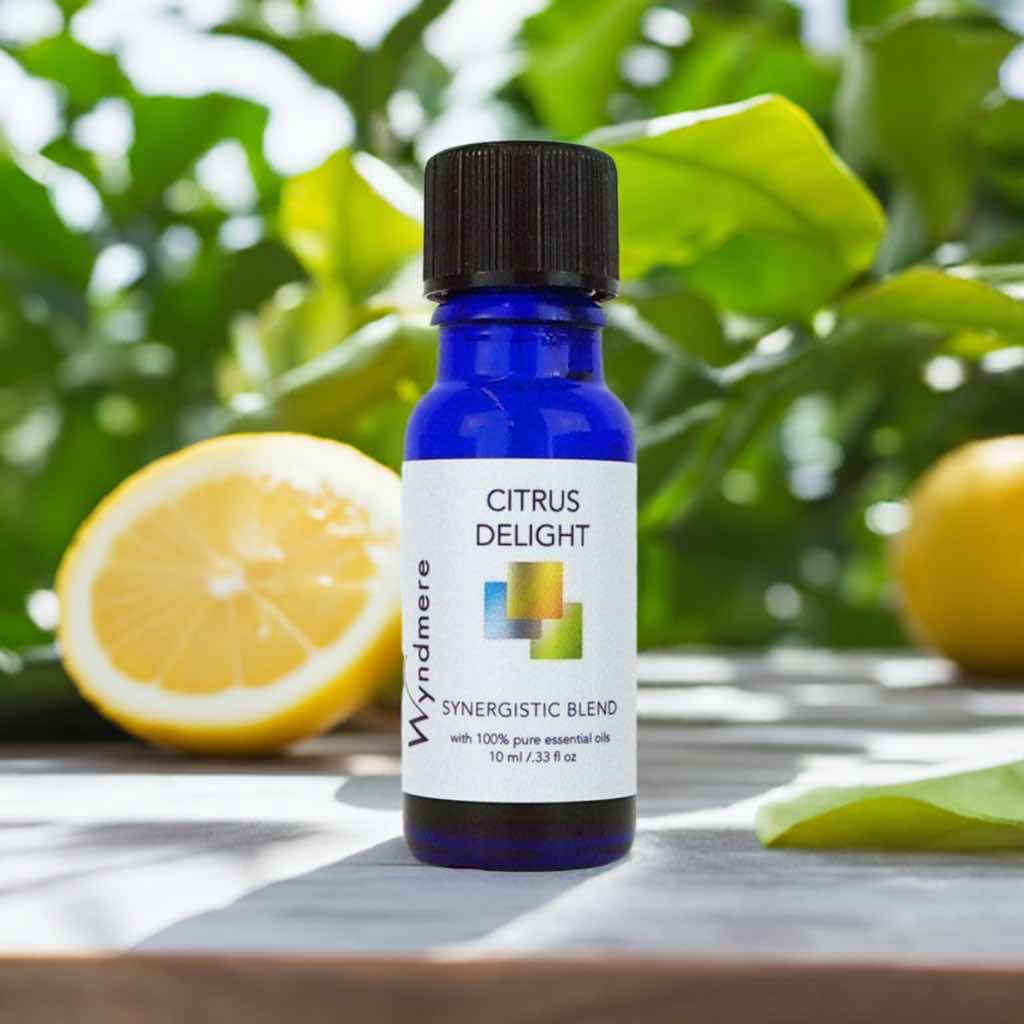





After a tough workout, it’s normal to feel sore, tight, or fatigued.
Recovery is an important part of any fitness routine — and while essential oils are not a treatment or solution for muscle soreness, some people choose to incorporate aromatherapy into their post-workout rituals to support relaxation and overall comfort.
In this guide, we’ll explore:
• How essential oils may fit into recovery routines
• Common oils used for post-workout relaxation
• Safe ways to use them
• Simple blends to try
• Additional recovery practices to consider
Let’s take a balanced, practical approach.
Can Essential Oils Support Post-Workout Recovery?
Essential oils do not repair muscles or speed up physical recovery.
However, certain aromas and topical applications (when properly diluted) may:
• Support a sense of relaxation
• Encourage a calming post-workout environment
• Complement massage routines
• Help you transition from activity to rest
Because recovery involves both physical and mental reset, creating a calming environment can be a helpful part of the process.
Essential Oils Commonly Used in Recovery Routines
These oils are often included in post-workout aromatherapy blends.
Peppermint (Mentha piperita)
Peppermint has a cooling, refreshing aroma.
It may:
• Create a cooling sensation when diluted and applied
• Support a refreshing post-workout experience
• Add brightness to blends
Use sparingly due to its strength.
Eucalyptus (Eucalyptus globulus)
Eucalyptus has a clean, invigorating scent.
It may:
• Promote a sense of openness and freshness
• Complement deep breathing after exercise
• Blend well with mint and citrus oils
Lavender (Lavandula angustifolia)
Lavender is widely used for relaxation.
It may:
• Support a calm, unwinding environment
• Encourage a smoother transition into rest
• Balance more stimulating oils
Rosemary (Rosmarinus officinalis)
Rosemary has a strong, herbaceous aroma.
It may:
• Support a focused and refreshed feeling
• Pair well with peppermint and eucalyptus
• Add depth to post-workout blends
Black Pepper (Piper nigrum)
Black pepper has a warm, spicy scent.
It may:
• Add warmth to massage blends
• Support a grounded, post-exercise routine
• Complement herbal and woody oils
Safe Ways to Use Essential Oils After Exercise
1. Massage (Diluted)
One of the most common uses is incorporating essential oils into a massage oil.
Dilution guideline:
1–2% dilution
(6–12 drops essential oil per 1 ounce carrier oil)
Apply to:
• Legs
• Shoulders
• Back
• Arms
Massage may help support relaxation and ease tension in overworked areas.
2. Shower Aromatherapy
Using essential oils in the shower after a workout may help create a refreshing experience.
Add 2–3 drops to the shower floor or a washcloth and allow steam to disperse the aroma.
3. Diffusion
Add 4–8 drops to a diffuser.
Diffusing after a workout may:
• Create a calming environment
• Support relaxation during cooldown
• Help signal the end of your workout session
Diffuse for 30–60 minutes.
4. Aromatic Inhalation
Add 1–2 drops to a tissue or personal inhaler.
Inhale slowly to create a moment of pause after exercise.
Simple Post-Workout Blends
Cooling Recovery Blend
2 drops Peppermint
2 drops Eucalyptus
1 drop Lavender
Calm & Unwind Blend
3 drops Lavender
2 drops Frankincense
1 drop Cedarwood
Warm & Grounding Blend
2 drops Rosemary
2 drops Lavender
1 drop Black Pepper
Adjust based on preference and sensitivity.
Additional Recovery Practices to Consider
Essential oils work best when paired with supportive habits.
Consider incorporating:
• Hydration
• Stretching or mobility work
• Rest and sleep
• Balanced nutrition
• Gentle movement (like walking)
Aromatherapy can complement these practices as part of a full recovery routine.
Safety Considerations
• Always dilute essential oils before topical use
• Avoid applying to broken or irritated skin
• Use in well-ventilated areas
• Discontinue use if irritation occurs
• Consult a healthcare professional if needed
Essential oils are not a substitute for medical care or injury treatment.
When to Seek Professional Guidance
If discomfort or soreness is:
• Severe
• Persistent
• Limiting movement
• Associated with injury
Consult a qualified healthcare provider.
Final Thoughts
Post-workout recovery is about giving your body time and space to reset.
Essential oils may offer a way to:
• Support relaxation
• Enhance massage routines
• Create a calming environment
• Encourage mindful recovery habits
While they do not directly impact muscle repair, they can be part of a thoughtful, well-rounded approach to recovery.






Leave a comment (all fields required)