



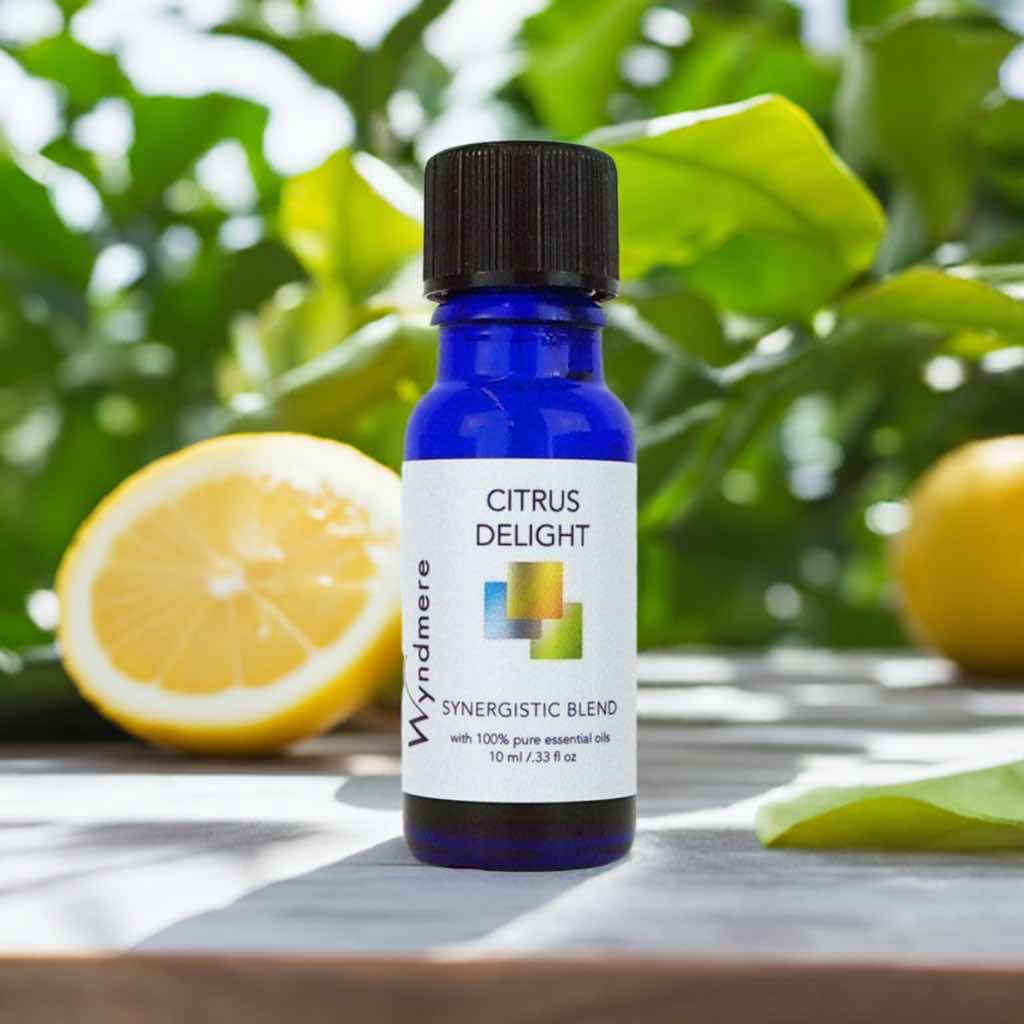





A fresh-smelling home can completely change how a space feels.
But many conventional air fresheners rely on synthetic fragrances that simply mask odors rather than address them.
If you’re looking for a more natural approach, essential oils offer a simple way to create a clean, inviting environment using plant-based aromas.
While essential oils are not designed to eliminate odors at a chemical level, they may help create a fresher atmosphere and support a more intentional home environment.
In this guide, you’ll learn:
• Why synthetic fragrances aren’t the only option
• Natural ways to create a fresh-smelling home
• How to use essential oils in different spaces
• Simple blends you can try
Let’s start fresh.
Why Avoid Synthetic Fragrances?
Many household products contain artificial scent blends labeled as:
• “Fragrance”
• “Parfum”
• “Air freshener”
These can contain multiple undisclosed ingredients.
Some people choose to reduce synthetic fragrance exposure because they prefer:
• Simpler ingredient lists
• More control over scent
• A more natural home environment
Natural approaches focus on freshness — not just covering up odors.
Step 1: Start with a Clean Foundation
Before adding scent, it helps to remove the source of unwanted odors.
Simple habits may include:
• Regular cleaning of surfaces
• Taking out trash frequently
• Washing linens and fabrics
• Allowing fresh air to circulate
Essential oils work best in a clean environment.
Step 2: Use Essential Oil Diffusion
Diffusing essential oils is one of the easiest ways to introduce natural scent into your home.
How to use:
• Add 4–8 drops of essential oil to a diffuser
• Diffuse for 30–60 minutes
• Place in commonly used areas like living rooms or kitchens
Diffusion may help create a consistent, pleasant atmosphere.
Fresh Home Diffuser Blend
3 drops Lemon
2 drops Eucalyptus
1 drop Rosemary
Step 3: Make a Natural Room Spray
A DIY room spray is a simple alternative to conventional air fresheners.
Basic recipe (4 oz bottle):
2 tablespoons alcohol
15–30 drops essential oils
Fill with distilled water
Shake before each use.
Spray into the air or lightly onto fabrics (test first).
Clean & Bright Spray Blend
10 drops Lemon
8 drops Sweet Orange
5 drops Tea Tree
Step 4: Use Essential Oils in Cleaning Routines
Adding essential oils to your cleaning process may help create a fresher-smelling environment.
You can add a few drops to:
• Surface cleaning solutions
• Mop water
• Trash bins (on cotton pads)
This enhances the overall sensory experience of cleaning.
Step 5: Refresh Soft Surfaces
Fabrics can hold onto odors.
Try:
• Lightly misting curtains or upholstery (test first)
• Adding essential oils to laundry routines
• Placing a few drops on dryer balls
These methods may help maintain a fresh atmosphere.
Step 6: Use Passive Diffusion
If you don’t want to run a diffuser, try simple passive methods:
• Add a few drops to a cotton ball and place in drawers
• Use scent stones or ceramic diffusers
• Place oil drops on a tissue near airflow areas
This creates a subtle, consistent scent.
Essential Oils Commonly Used for a Fresh Home
Lemon – bright and clean
Eucalyptus – crisp and refreshing
Tea Tree – fresh and herbal
Lavender – soft and calming
Sweet Orange – uplifting and warm
Rosemary – clean and herbaceous
These oils blend well together and are easy to use.
Tips for Best Results
• Use fewer drops rather than more
• Rotate scents to keep them noticeable
• Combine methods (diffuser + spray + cleaning)
• Store oils properly to maintain freshness
A little goes a long way.
Safety Considerations
• Avoid spraying directly onto delicate surfaces
• Keep essential oils out of reach of children and pets
• Use in well-ventilated areas
• Discontinue use if irritation occurs
Essential oils are not a substitute for cleaning — they complement it.
Final Thoughts
Creating a naturally fresh-smelling home doesn’t require synthetic fragrances.
With simple habits and thoughtful use of essential oils, you can:
• Enhance your environment
• Create a signature scent
• Maintain a clean, inviting space
Freshness comes from both cleanliness and intention.






Leave a comment (all fields required)