



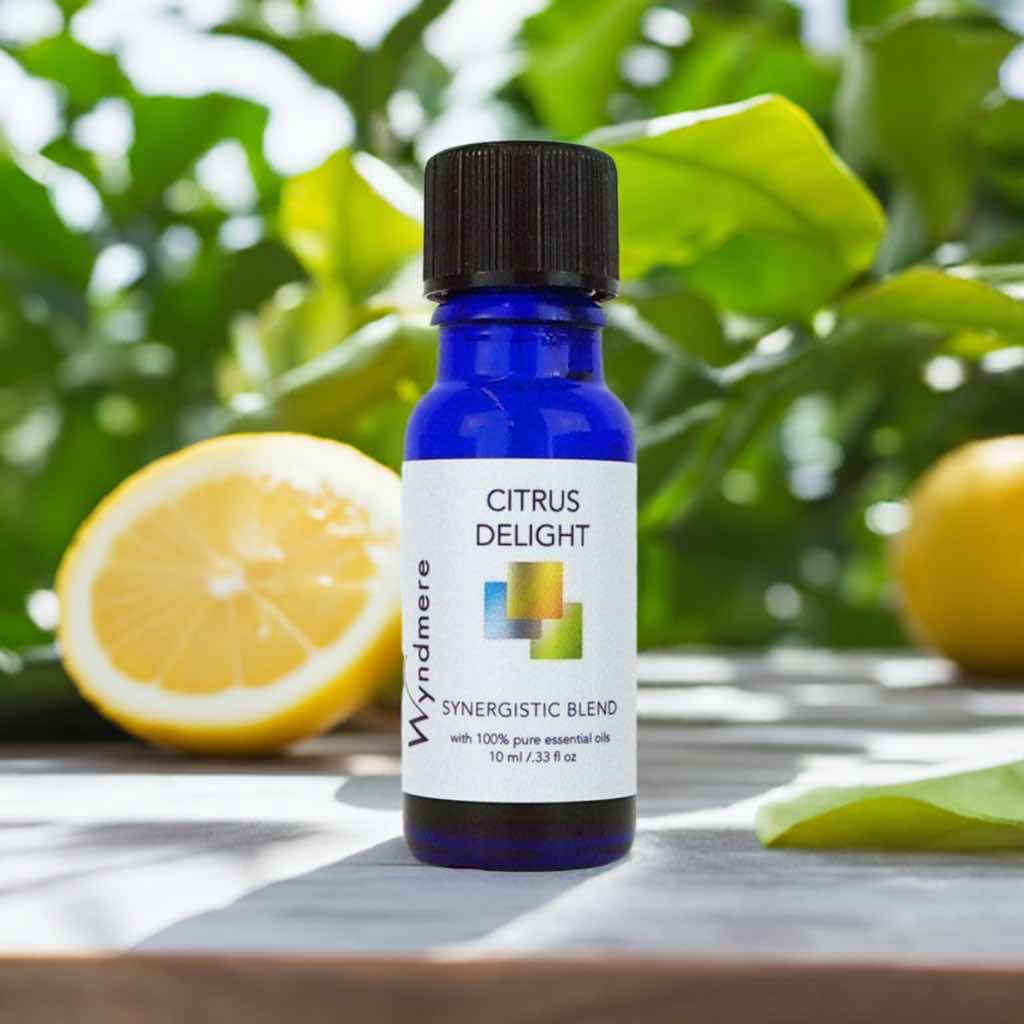





If you’ve shopped for essential oils, you’ve likely seen the phrase “therapeutic grade” on labels and websites.
It sounds official. It sounds clinical. It sounds regulated.
But what does “therapeutic grade” actually mean?
The short answer: it’s a marketing term — not a regulated standard.
Let’s break this down clearly so you can make informed decisions when choosing essential oils.
Is “Therapeutic Grade” a Regulated Term?
No.
In the United States, there is no official regulatory definition for “therapeutic grade” essential oils.
The FDA does not certify essential oils as therapeutic grade.
There is no government-issued grading scale.
There is no universal testing standard required to use the term.
This means companies can use the phrase without meeting a specific, standardized requirement.
Why Is the Term Used So Often?
“Therapeutic grade” sounds reassuring. It suggests:
• High purity
• Clinical quality
• Medical-level effectiveness
• Superior sourcing
While many reputable companies produce high-quality oils, the phrase itself does not guarantee anything specific.
It is primarily a marketing descriptor.
What Actually Determines Essential Oil Quality?
Instead of focusing on vague terminology, look at measurable quality indicators.
Here’s what truly matters:
1. Botanical Name
A high-quality essential oil label should clearly state the botanical (Latin) name.
For example:
Lavender – Lavandula angustifolia
Peppermint – Mentha piperita
Eucalyptus – Eucalyptus globulus
This ensures you know exactly which plant species you are purchasing.
2. Country of Origin
Climate and soil conditions affect oil composition.
Reputable brands often list the country where the plant was grown or distilled.
3. Extraction Method
The extraction process influences purity and aroma.
Common methods include:
• Steam distillation
• Cold pressing (for citrus oils)
Avoid vague descriptions that do not explain how the oil was produced.
4. GC/MS Testing
Gas Chromatography–Mass Spectrometry (GC/MS) testing analyzes the chemical profile of an essential oil.
This testing can help verify:
• Purity
• Proper chemical composition
• Absence of certain adulterants
Brands committed to transparency often make this information available upon request.
5. No Synthetic Additives
High-quality essential oils should contain:
• No synthetic fragrance
• No artificial fillers
• No added carrier oils (unless clearly labeled as a blend)
The ingredient list should be simple and clear.
What “Therapeutic Grade” Does NOT Guarantee
The term does not guarantee:
• FDA approval
• Medical effectiveness
• Suitability for internal use
• Clinical validation
• Standardized potency
In fact, ingestion of essential oils should only occur under professional guidance, regardless of labeling claims.
Are There Industry Standards at All?
While there is no official “therapeutic grade” certification, some general industry frameworks exist.
Organizations such as:
• ISO (International Organization for Standardization)
• AFNOR (French standards organization)
Provide chemical profile standards for certain essential oils.
However, these standards relate to composition — not marketing terminology.
Why Transparency Matters More Than Labels
Instead of relying on buzzwords, look for brands that emphasize:
• Clear sourcing information
• Batch testing
• Transparent labeling
• Educational resources
• Safety guidance
A company that prioritizes education and transparency is often more trustworthy than one relying on bold claims.
How to Choose High-Quality Essential Oils
When shopping, ask:
• Is the botanical name listed?
• Is the extraction method provided?
• Is the ingredient list simple?
• Does the company offer testing information?
• Are safety guidelines clearly communicated?
These factors matter far more than a single phrase on the bottle.
Why Marketing Terms Can Be Misleading
The essential oil industry is not regulated like pharmaceuticals.
Because of this:
• Terms can sound official without being standardized
• Language can imply medical benefit without approval
• Consumers may assume “grade” equals certification
Understanding this helps you shop confidently and responsibly.
Final Thoughts
So what does “therapeutic grade” really mean?
It’s a marketing term — not a regulated certification.
Quality essential oils are defined by:
• Proper botanical identification
• Transparent sourcing
• Verified purity
• Responsible labeling
• Safe usage education
When choosing essential oils, look beyond buzzwords and focus on transparency, integrity, and informed use.
Knowledge is your best guide.






Leave a comment (all fields required)