



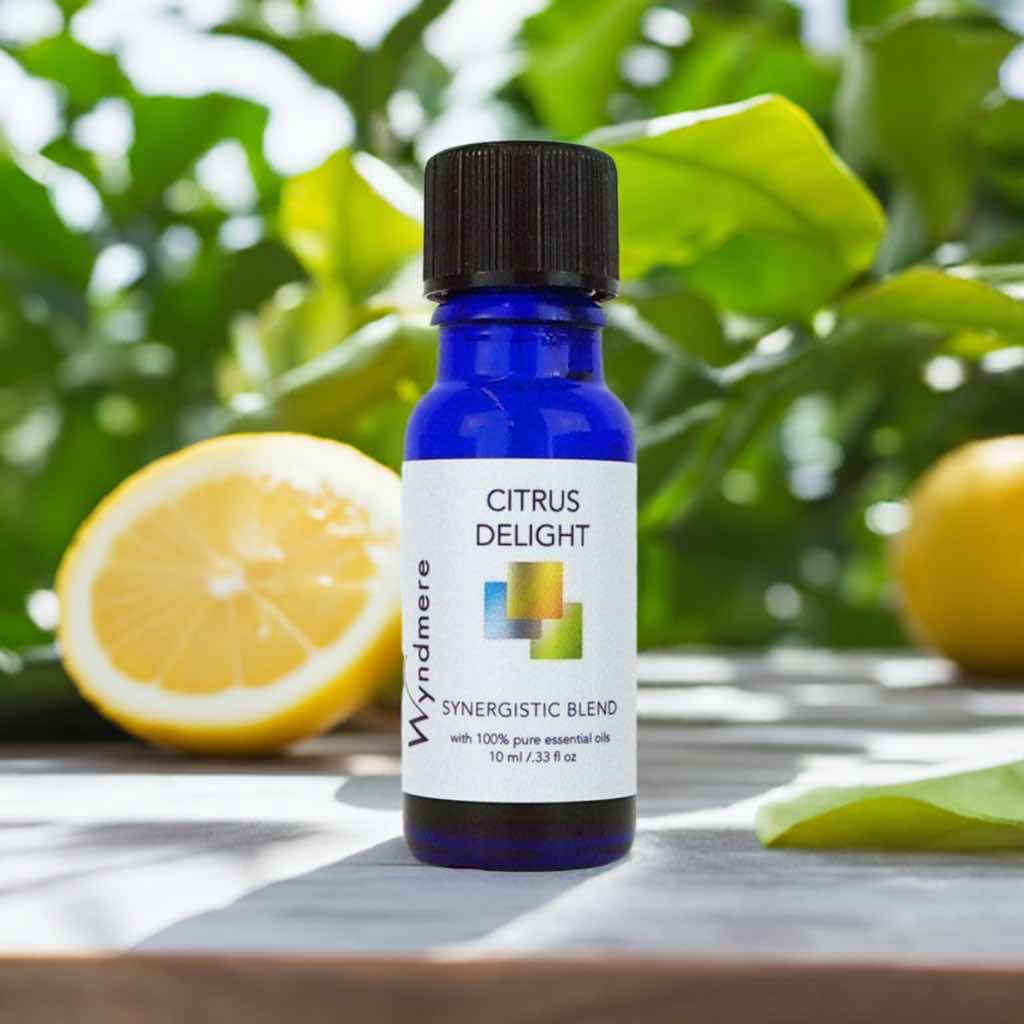





With so many essential oil brands on the market, knowing how to read a label can make all the difference.
At first glance, most bottles look similar — a plant name, a scent, maybe a few claims like “pure” or “therapeutic.”
But not all essential oils are created equal, and the label is one of the most important tools you have to evaluate quality.
In this guide, you’ll learn:
• What should always be on an essential oil label
• What terms actually matter (and which ones don’t)
• Red flags to avoid
• How to choose high-quality oils with confidence
Let’s break it down.
Why Reading the Label Matters
Essential oils are highly concentrated plant extracts.
Their quality depends on:
• The plant species used
• Where and how it was grown
• How it was extracted
• Whether it has been altered or diluted
A properly labeled essential oil gives you insight into all of these factors.
Without that information, it’s difficult to know what you’re actually buying.
What Should Be on a High-Quality Essential Oil Label
Not every bottle will include every detail, but reputable brands typically provide clear, transparent information.
Here are the key things to look for.
1. Botanical (Latin) Name
This is one of the most important details.
Each essential oil should list the plant’s botanical name, not just the common name.
For example:
Lavender — Lavandula angustifolia
Peppermint — Mentha piperita
Tea Tree — Melaleuca alternifolia
Why this matters:
Many plants share similar common names but have very different chemical compositions.
Without the botanical name, you can’t be sure which oil you’re getting.
2. Plant Part Used
Different parts of a plant can produce very different oils.
For example:
• Orange peel vs orange blossom
• Cinnamon bark vs cinnamon leaf
• Eucalyptus leaf vs wood
The label should indicate the plant part used, such as:
• Leaf
• Flower
• Peel
• Root
• Resin
This helps you understand the aroma, properties, and intended use of the oil.
3. Extraction Method
The way an oil is extracted affects its quality and composition.
Common methods include:
• Steam distillation (most essential oils)
• Cold pressing (for citrus oils)
High-quality brands are transparent about this process.
If the extraction method is not listed anywhere, that may be a sign of limited transparency.
4. Country of Origin
Where a plant is grown can significantly impact the quality of the oil.
Factors like climate, soil, and harvesting practices all influence the final product.
Examples:
• Lavender from France
• Tea Tree from Australia
• Frankincense from Somalia or Oman
Knowing the origin can give you insight into authenticity and sourcing standards.
5. Purity Statement
Look for a clear statement indicating that the oil is 100% pure essential oil.
The ingredient list should ideally include only one item:
• 100% essential oil of (plant name)
Be cautious if you see:
• “Fragrance oil”
• “Perfume oil”
• “Essential oil blend” without clarification
These may contain synthetic ingredients or fillers.
6. Batch Number or Lot Number
A batch or lot number indicates traceability.
This allows the manufacturer to:
• Track production batches
• Maintain quality control
• Reference testing results
It’s a sign that the company is managing consistency and accountability.
7. Safety Information
Responsible brands include safety guidance on their labels.
This may include:
• Dilution recommendations
• External use only warnings
• Phototoxicity warnings (for citrus oils)
• Keep out of reach of children
Safety information shows that the brand prioritizes proper use — not just sales.
Terms That Sound Important (But Aren’t Regulated)
Some label terms sound official but don’t have standardized definitions.
These include:
• “Therapeutic grade”
• “Medical grade”
• “Certified pure”
These phrases are often used for marketing purposes.
They do not guarantee quality, purity, or effectiveness.
Focus on measurable details instead.
Red Flags to Watch Out For
Here are warning signs that an essential oil may not meet high-quality standards.
1. No Botanical Name
If the label only says “Lavender Oil” without the Latin name, you don’t know which species it is.
2. Vague Ingredient Lists
If the label says:
• “Fragrance”
• “Natural blend”
• “Aromatic oil”
It may not be a true essential oil.
3. Unusually Low Price
Pure essential oils require significant plant material and careful extraction.
If the price seems too good to be true, it often is.
4. Clear Bottles
High-quality essential oils are typically packaged in:
• Amber
• Cobalt blue
This protects the oil from light degradation.
Clear bottles may indicate lower-quality packaging practices.
5. Overly Aggressive Claims
Be cautious of labels that claim to:
• Cure diseases
• Replace medications
• Provide instant results
Responsible brands avoid making medical claims.
Why Transparency Matters More Than Marketing
A trustworthy essential oil brand focuses on:
• Clear labeling
• Accurate information
• Responsible usage guidance
• Consistent quality
Marketing language can be persuasive, but transparency builds real trust.
The more information a label provides, the more confident you can be in your purchase.
How to Choose the Right Essential Oil
When evaluating a product, ask:
• Is the botanical name listed?
• Is the ingredient list clear and simple?
• Does the brand provide safety guidance?
• Is the packaging appropriate?
• Does the company emphasize education?
These factors matter far more than buzzwords.
Final Thoughts
Reading an essential oil label doesn’t have to be complicated.
Focus on the fundamentals:
• Botanical name
• Purity
• Transparency
• Safety information
• Proper packaging
When you understand what to look for — and what to avoid — you can choose essential oils with confidence.
A well-labeled bottle tells a story of quality, care, and integrity.
And that’s exactly what you want in every drop.






Leave a comment (all fields required)