








Here’s a term you might come across if you’ve ever gone a little deeper into essential oils:
Oil yield.
It sounds technical. Maybe even a little intimidating.
But in reality, it’s a simple idea—and once you understand it, a lot of things about essential oils start to click into place.
Especially when it comes to things like scent differences, availability, and even price.
The Simple Explanation
Let’s keep this easy.
Oil yield is just the amount of essential oil you get from a certain amount of plant material.
That’s it.
So if a grower harvests a large batch of plants and only gets a small amount of oil, that’s considered a low yield.
If they get a relatively larger amount of oil from the same volume of plant material, that’s a higher yield.
Why This Matters More Than You’d Think
At first glance, this might feel like something that only matters to farmers or distillers.
But it actually shows up in your everyday experience with essential oils.
It helps explain:
- Why some oils are more widely available
- Why others feel more “precious” or limited
- Why certain oils are used more sparingly
And even why some oils feel like everyday staples, while others feel more occasional.
Not All Plants Give the Same Amount of Oil
Here’s where it gets interesting.
Different plants naturally produce different amounts of oil.
Some are generous.
Others… not so much.
For example:
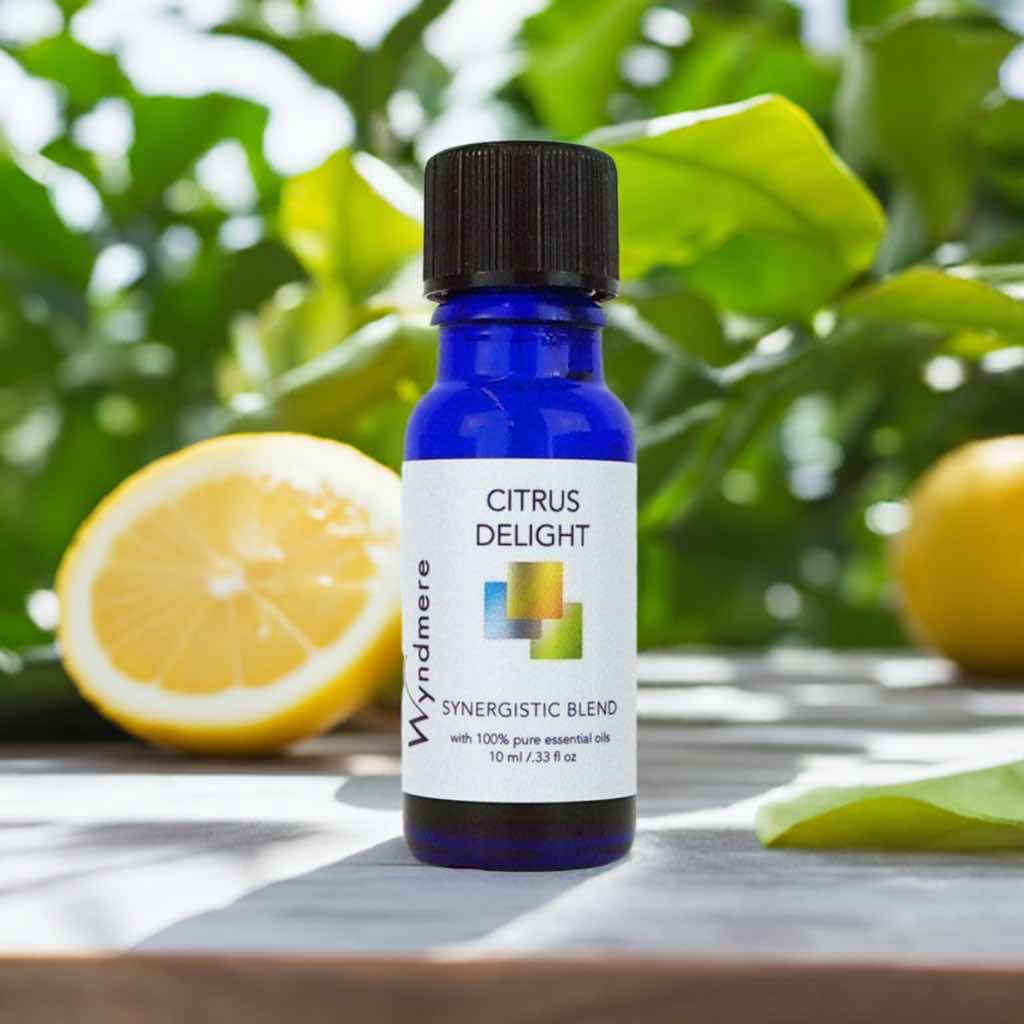
- Citrus peels tend to produce a relatively higher yield
- Delicate flowers, like rose or jasmine, often produce very little
That means it takes far more plant material to create the same amount of oil in some cases.
And that alone can shape how that oil is experienced and used.
Think of It Like Cooking
If it helps, think of oil yield like cooking down ingredients.
Some foods reduce easily and give you a lot of flavor quickly.
Others take a lot of time and a lot of raw ingredients to produce just a small amount of something concentrated.
Essential oils work in a similar way.
The final bottle is a concentrated result of everything that came before it.
Low Yield Doesn’t Mean “Better”
This is where it’s easy to make assumptions.
When people hear that an oil has a low yield, they sometimes think:
“Oh, that must make it higher quality.”
Not necessarily.
Low yield simply means it takes more plant material to produce.
That’s it.
It doesn’t automatically make the oil better or more effective—it just makes it more resource-intensive.
High Yield Doesn’t Mean “Lower Quality” Either
On the flip side, oils with a higher yield aren’t “lesser.”
They’re just more abundant.
They can still smell beautiful, feel balanced, and fit perfectly into everyday routines.
In fact, many of the oils people use most often—like citrus oils or eucalyptus—tend to have higher yields.
And that’s part of what makes them so accessible.
Why Yield Can Change From Batch to Batch
Here’s something most people don’t realize:
Oil yield isn’t always fixed.
It can change.
Even for the same plant.
Why?
Because plants are affected by:
- Climate and weather conditions
- Soil quality
- Harvest timing
- Growing region
So one season might produce a slightly higher yield, while another produces less.
It’s another example of how essential oils reflect nature—not a rigid formula.
How Distillation Plays a Role
The way an oil is extracted can also influence yield.
A longer distillation may pull out more oil overall.
A shorter distillation might result in less oil but a different scent profile.
So yield isn’t just about the plant—it’s also about how the oil is produced.
Why This Connects to Price (Without Overcomplicating It)
You don’t need to overanalyze pricing, but oil yield is one piece of the puzzle.
If an oil requires:
- A large amount of plant material
- Careful harvesting
- And still produces only a small amount of oil
…it naturally becomes more limited.
And when something is more limited, it tends to feel more valuable or used more sparingly.
That’s not marketing—it’s just supply and effort.
What This Means for You
The good news is, you don’t need to calculate yield or memorize numbers.
Instead, it’s helpful to understand the bigger picture:
Some oils are abundant and easy to use daily
Some are more limited and used more intentionally
Both have a place
And neither is inherently “better.”
A Simple Way to Think About It
You might think of essential oils the way you think about ingredients in your kitchen.
Some are everyday staples—used freely and often.
Others are used in smaller amounts—not because they’re superior, but because they’re harder to produce.
That balance is what makes everything work together.
Bringing It Back to Your Routine
At the end of the day, essential oils are meant to fit into your life—not complicate it.
Whether an oil has a high yield or a low one doesn’t need to change how you use it dramatically.
If you enjoy the scent and it fits your space, that’s enough.
A Gentle Final Thought
There’s a lot behind each small bottle of essential oil.
Oil yield is just one of those quiet details that shapes the journey from plant to product.
And once you understand it, it becomes easier to appreciate what you’re using—not in a complicated way, but in a more grounded, everyday sense.
Because it’s not about knowing everything.
It’s about understanding just enough to feel connected to what you’re using.






Leave a comment (all fields required)