



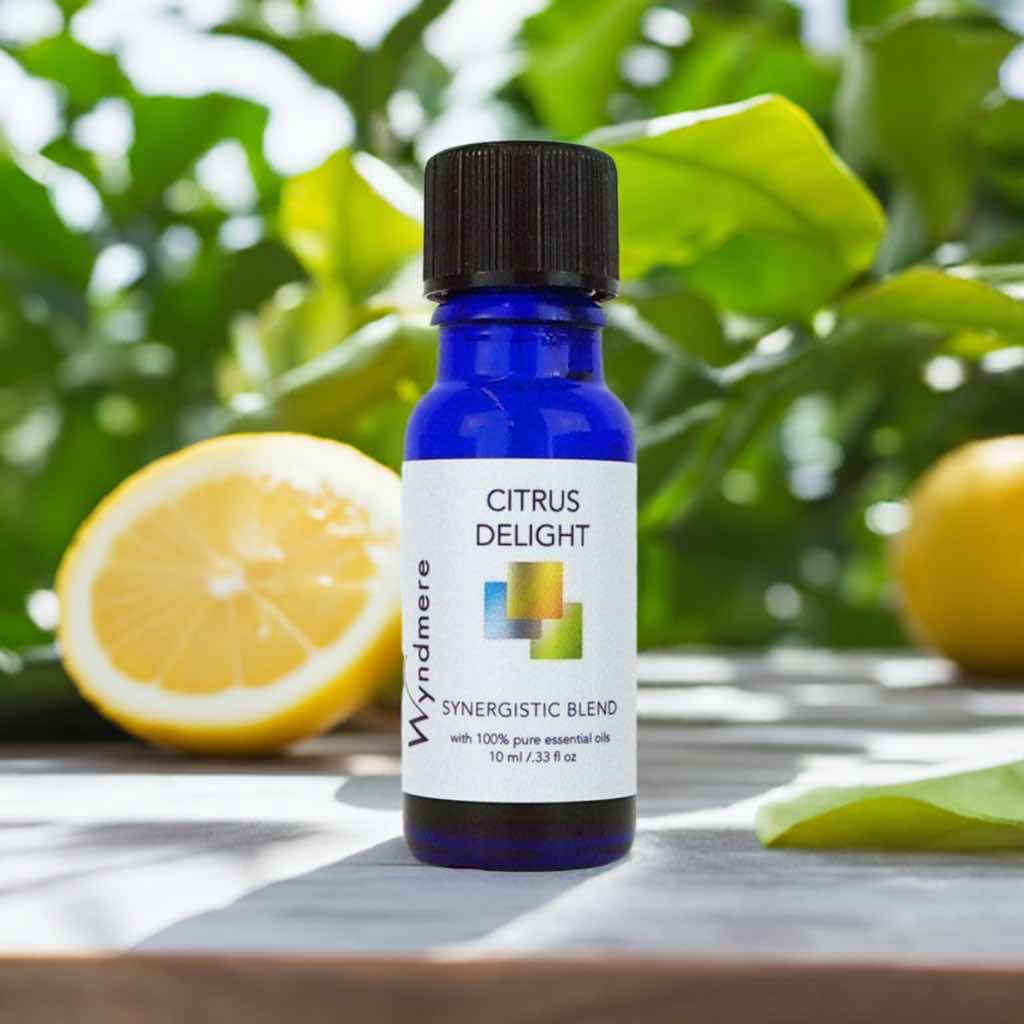




When shopping for essential oils, you may notice terms like “steam distilled” or “cold pressed” on labels — especially with citrus oils.
But what do these terms actually mean?
And does the extraction method affect quality, aroma, or how you should use the oil?
In this guide, we’ll break down:
• What steam distillation is
• What cold pressing is
• Key differences between the two methods
• How each method affects the oil
• Which one is better (and when)
Let’s simplify it.
Why Extraction Method Matters
Essential oils are created by extracting aromatic compounds from plants.
How those compounds are extracted affects:
• The oil’s chemical composition
• The strength of the aroma
• Stability and shelf life
• How the oil interacts with skin
Understanding extraction methods helps you choose the right oil for your needs — and use it safely.
What Is Steam Distillation?
Steam distillation is the most common method used to produce essential oils.
How It Works
- Plant material (leaves, flowers, wood, etc.) is placed in a distillation chamber.
- Steam is passed through the plant material.
- Heat releases aromatic compounds.
- The steam carrying these compounds is cooled and condensed.
- Oil separates from water and is collected.
This process is used for the majority of essential oils.
Oils Typically Steam Distilled
Lavender
Peppermint
Eucalyptus
Tea Tree
Rosemary
Frankincense
Cedarwood
Benefits of Steam Distillation
• Produces highly concentrated essential oils
• Preserves many key aromatic compounds
• Widely used and well-understood process
• Suitable for most plant types
Considerations
Heat is involved in the process, which may alter some delicate compounds — though this is generally minimal when done properly.
What Is Cold Pressing?
Cold pressing is primarily used for citrus oils.
How It Works
- The outer peel (rind) of the fruit is mechanically pressed.
- Oils are released from the peel’s oil sacs.
- The liquid is filtered to separate oil from juice and water.
No heat is used in this process.
Oils Typically Cold Pressed
Lemon
Sweet Orange
Grapefruit
Bergamot
Lime
Benefits of Cold Pressing
• No heat involved
• Retains bright, fresh aroma
• Reflects the natural scent of the fruit peel
• Simpler extraction process
Considerations
Cold-pressed oils may contain additional plant compounds (like waxes or pigments), making them less refined than distilled oils.
They also tend to oxidize more quickly.
Key Differences Between Steam Distilled and Cold-Pressed Oils
1. Heat vs No Heat
Steam Distilled: Uses heat (steam)
Cold Pressed: No heat used
This affects how delicate compounds are preserved.
2. Plant Source
Steam Distilled: Leaves, flowers, roots, bark, resin
Cold Pressed: Primarily citrus peels
Not all plants can be cold pressed.
3. Aroma Profile
Steam Distilled Oils:
• More rounded
• Sometimes softer or deeper
Cold-Pressed Oils:
• Brighter
• Fresher
• More true-to-fruit scent
4. Shelf Life
Steam Distilled Oils:
• Typically longer shelf life (2–8+ years depending on oil)
Cold-Pressed Oils:
• Shorter shelf life (often 1–2 years)
• More prone to oxidation
5. Skin Sensitivity
Cold-pressed citrus oils can be phototoxic.
This means they may increase sensitivity to sunlight when applied to skin.
Steam distilled oils generally do not carry this same risk.
Which Method Is Better?
There is no “better” method — only what is appropriate for the plant.
Steam distillation is ideal for:
• Herbs
• Flowers
• Woods
• Resins
Cold pressing is ideal for:
• Citrus fruits
Each method is designed to extract the best qualities from specific plant types.
How This Affects Your Use
Understanding extraction helps you use oils more effectively.
For Diffusion
Both steam distilled and cold-pressed oils work well in diffusers.
Cold-pressed citrus oils are especially popular for:
• Uplifting blends
• Freshening indoor spaces
For Topical Use
Always dilute essential oils with a carrier oil.
Be especially cautious with cold-pressed citrus oils:
• Avoid sun exposure after application
• Use lower dilutions when possible
For Shelf Life Management
Use citrus oils more quickly after opening.
Store all oils properly to maximize longevity.
Why Labels Matter
A high-quality essential oil label should indicate:
• Extraction method (steam distilled or cold pressed)
• Botanical name
• Plant part used
This transparency helps you understand exactly what you’re buying.
Common Misconceptions
“Cold-Pressed Means Higher Quality”
Not necessarily.
Cold pressing is simply the correct method for citrus oils — not a sign of superiority.
“Steam Distillation Damages Oils”
When done properly, steam distillation preserves the integrity of most essential oils.
It is the industry standard for a reason.
“All Oils Can Be Cold Pressed”
Only citrus peels contain enough accessible oil for cold pressing.
Most plants require distillation.
Storage Tips for Both Types
To maintain quality:
• Store in a cool, dark place
• Keep bottles tightly sealed
• Use citrus oils within 1–2 years
• Avoid heat and sunlight
Proper storage helps both types last longer.
Final Thoughts
Steam distillation and cold pressing are two different — but equally important — methods of extracting essential oils.
Each method:
• Serves a specific type of plant
• Produces unique aromatic profiles
• Influences how the oil should be used and stored
Understanding the difference helps you:
• Choose the right oil
• Use it safely
• Get the best results from your aromatherapy routine
The more you know about what’s inside the bottle, the more confidently you can use it.






Leave a comment (all fields required)