







Essential oils are powerful, concentrated plant extracts — but they don’t last forever.
Over time, essential oils can oxidize, lose their aroma, and change in composition.
Knowing how long your oils last — and how to store them properly — helps you maintain their quality, safety, and effectiveness.
In this guide, you’ll learn:
• How long essential oils typically last
• What affects shelf life
• Signs your oils have expired
• The best ways to store essential oils
• Tips to extend their longevity
Let’s break it down.
Do Essential Oils Expire?
Yes — essential oils do expire.
Unlike carrier oils, which can go rancid, essential oils degrade through a process called oxidation. This happens when the oil is exposed to:
• Oxygen (air)
• Light
• Heat
As oxidation occurs, the oil’s chemical composition changes. This can affect:
• Aroma
• Effectiveness
• Skin safety
Even if an oil still smells pleasant, it may not perform the same way it did when fresh.
How Long Do Essential Oils Last?
Shelf life varies depending on the type of oil.
Here are general guidelines:
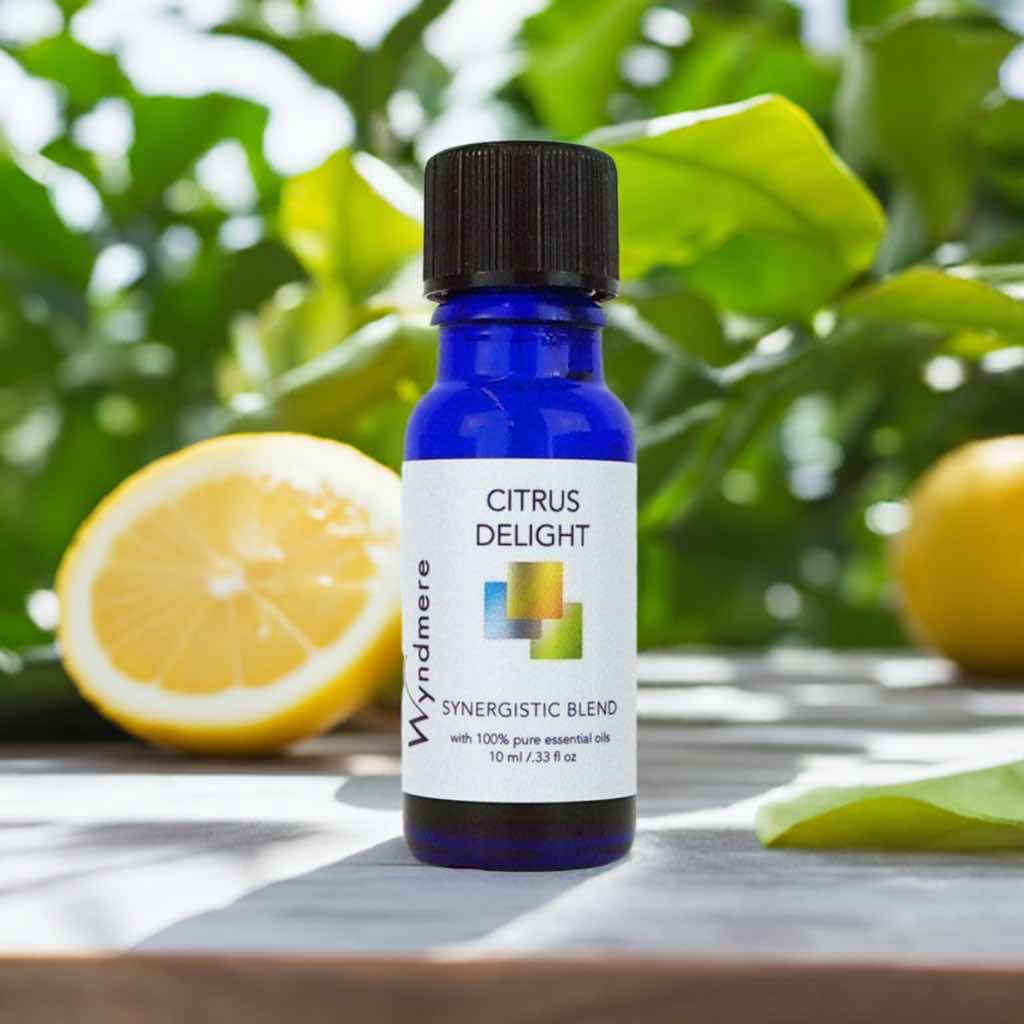
Citrus Oils (1–2 Years)
Lemon
Sweet Orange
Grapefruit
Bergamot
Citrus oils oxidize the fastest due to their high concentration of volatile compounds.
Light, Herbaceous Oils (2–3 Years)
Lavender
Tea Tree
Eucalyptus
Peppermint
Rosemary
These oils have moderate stability when stored properly.
Resinous & Woody Oils (4–8+ Years)
Frankincense
Myrrh
Sandalwood
Patchouli
Vetiver
These oils tend to age more slowly — and some may even improve in aroma over time.
What Affects Essential Oil Shelf Life?
Several factors influence how long your oils remain fresh.
1. Exposure to Air (Oxidation)
Every time you open a bottle, oxygen enters and begins to alter the oil’s composition.
Frequent opening accelerates degradation.
2. Light Exposure
UV light breaks down delicate compounds in essential oils.
That’s why high-quality oils are stored in:
• Amber bottles
• Cobalt blue bottles
Clear bottles offer little protection.
3. Heat
Heat speeds up chemical reactions — including oxidation.
Leaving oils in warm environments (like a car or near a window) can shorten their lifespan significantly.
4. Storage Conditions
Improper storage — such as loose caps or humid environments — can impact oil quality.
Consistency matters.
Signs Your Essential Oil Has Expired
Not sure if your oil is still good?
Here are signs it may have oxidized:
1. Change in Smell
The aroma may become:
• Flat
• Sour
• Sharp or unpleasant
Citrus oils often develop a dull or “off” scent when oxidized.
2. Change in Consistency
Some oils may become:
• Thicker
• Sticky
• Cloudy
This is more common with older oils or improperly stored products.
3. Skin Sensitivity
Oxidized oils are more likely to cause irritation.
If an oil that once felt fine now causes redness or discomfort, discontinue use.
4. Faded Effectiveness
If the oil no longer produces the same aromatic impact, it may be past its prime.
Can You Still Use Expired Essential Oils?
It depends.
For safety:
• Avoid using oxidized oils on skin
• Avoid using expired citrus oils topically
• Do not ingest expired oils
However, lightly oxidized oils may still be used for:
• Household cleaning
• Non-topical applications
When in doubt, it’s best to replace the oil.
How to Store Essential Oils Properly
Proper storage can significantly extend shelf life.
1. Keep Bottles Tightly Sealed
Always close the cap immediately after use.
This reduces oxygen exposure.
2. Store in a Cool, Dark Place
Ideal locations include:
• Cabinets
• Drawers
• Storage boxes
Avoid:
• Windowsills
• Bathrooms with high humidity
• Cars
3. Use Original Bottles
Essential oils are best stored in:
• Amber glass
• Cobalt glass
Avoid transferring oils to plastic containers, as some oils can degrade plastic.
4. Consider Refrigeration (For Citrus Oils)
Refrigerating citrus oils can help extend their shelf life.
This is optional but beneficial if you want to preserve freshness longer.
5. Label Opening Dates
Write the date you opened the bottle.
This helps you track freshness and avoid guessing later.
Tips to Extend the Life of Your Oils
• Buy smaller bottles if you don’t use oils frequently
• Avoid leaving bottles open for long periods
• Store away from heat sources
• Keep oils out of direct sunlight
• Use clean droppers and avoid contamination
Consistency is key.
Why Freshness Matters
Using fresh essential oils ensures:
• Better aroma
• More consistent performance
• Reduced risk of irritation
• A more enjoyable experience
Quality oils deserve proper care.
Quick Shelf Life Reference Guide
Citrus Oils: 1–2 years
Herbaceous Oils: 2–3 years
Woody/Resinous Oils: 4–8+ years
Always store properly to maximize longevity.
Final Thoughts
Essential oils are natural products — and like all natural products, they change over time.
Understanding shelf life helps you:
• Use oils safely
• Maintain quality
• Get the most out of every bottle
With proper storage and awareness, your essential oils can stay fresh, effective, and enjoyable for years.
A little care goes a long way.






Leave a comment (all fields required)